


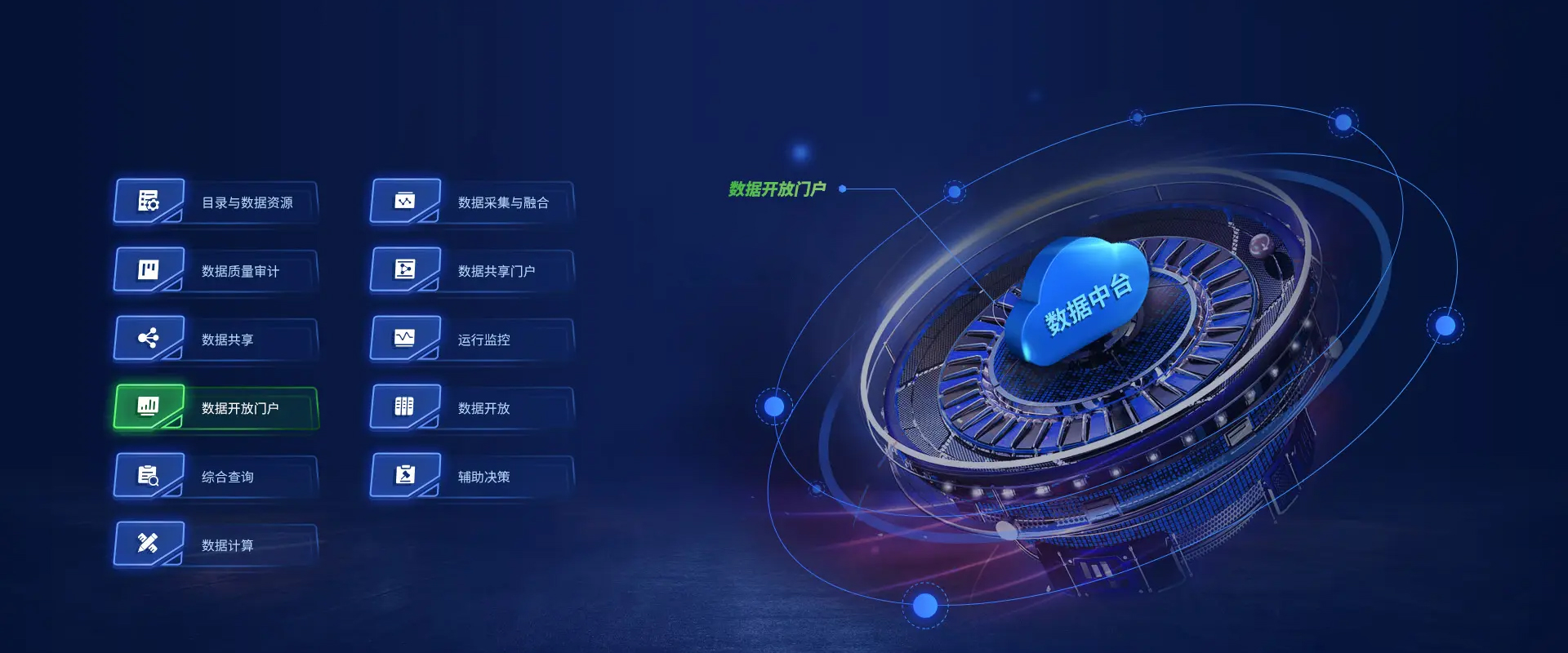
Through data technologies, it collects, computes, stores, and processes massive amounts of data. It provides a complete set of big data technologies, products, methodologies, and services, empowering enterprises to build efficient data middle platforms, supporting digital transformation, and enabling data to create value.

Product Overview
Product Features
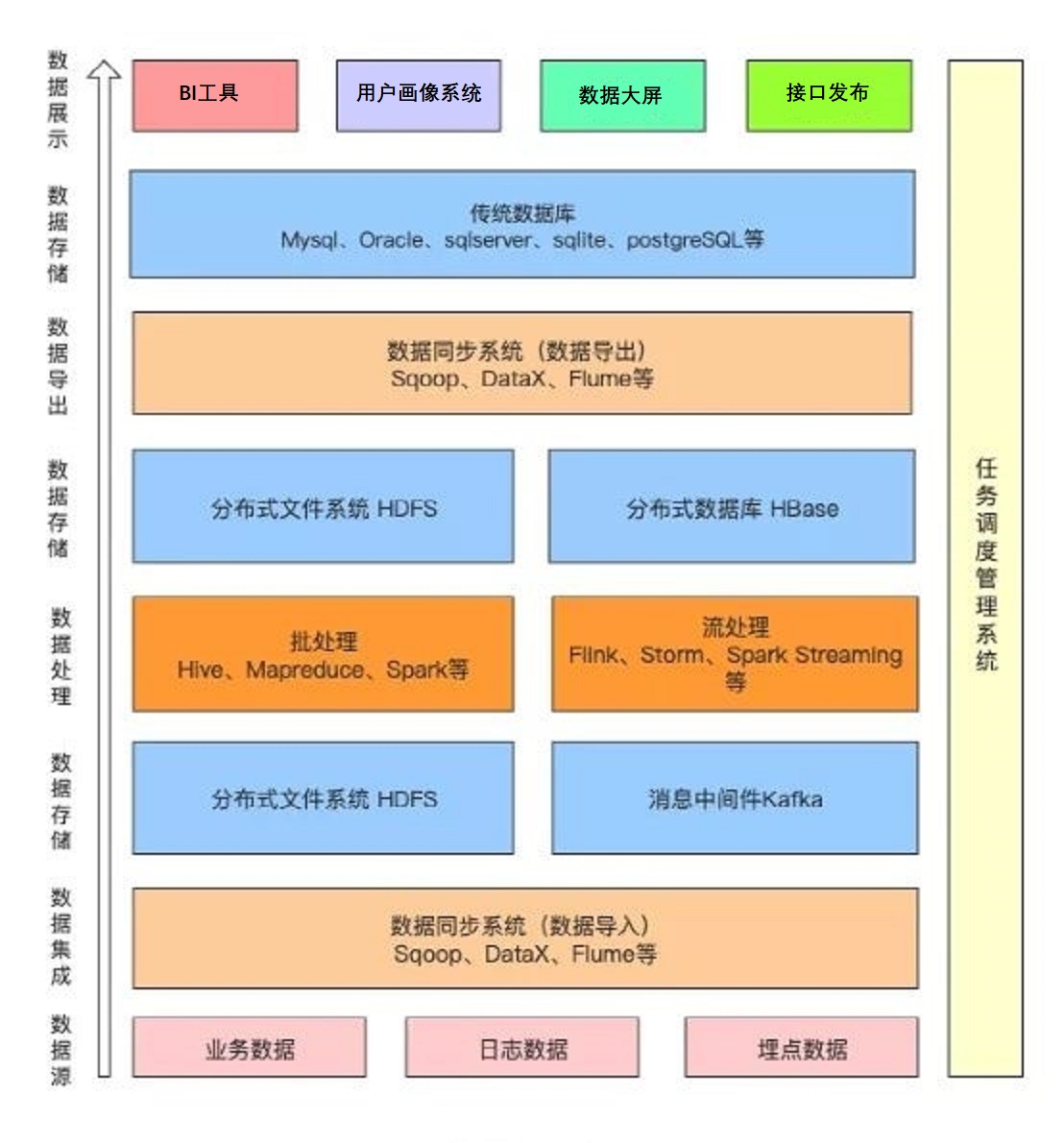
The Blue Whale Data Middle Platform fully builds and drives data services, including data resource planning and acquisition, data governance, data modeling and data asset management based on middle platform strategies, business modeling based on middle platform strategies, entity profiling and tag engines, sorting out and calculating data indicator systems, and planning and implementation of data applications. It provides customized implementation plans for different customers. With the Blue Whale Data Middle Platform, data in the information system is no longer scattered, messy, or duplicated. The system can classify, organize, and process data in real time, making it clear, orderly, structured, and useful information. This data can be further shared with business application systems to carry out data applications and realize data monetization. The results will be presented through front-end display systems in diverse and visual forms, forming an application chain closed loop of analysis-decision-action. Data will truly integrate with business scenarios, and lightweight applications will directly help enterprises solve business problems. The main features are as follows:
1. Low-threshold data development
The Blue Whale Data Middle Platform uniformly collects and synchronizes data from various business formats for customers, provides unified data model and indicator management, and reduces costs and improves efficiency. No code is required; flexible access to multiple data sources is configured through the interface. Visual job management and editing lower the development threshold.
3. Perfect data governance solution
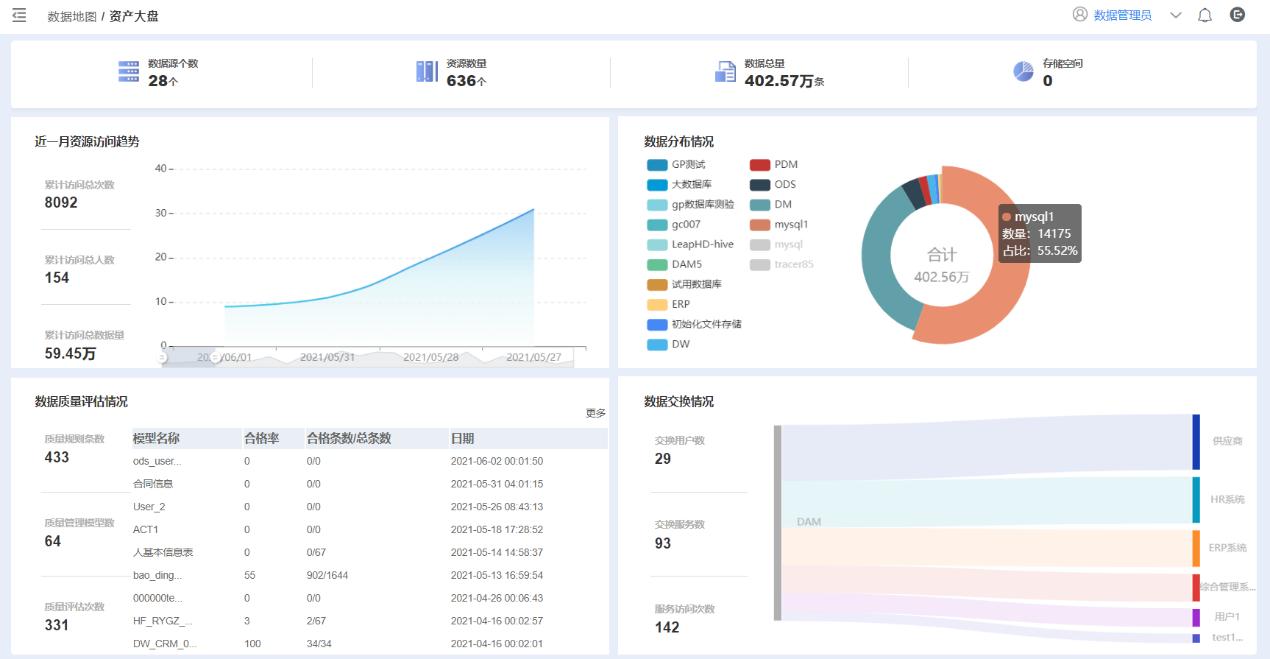
Unified data storage, building an enterprise-level data lake, providing an enterprise-level data asset management platform, and achieving 360° full-link data tracing through data maps and data lineage.
3. Perfect data governance solution
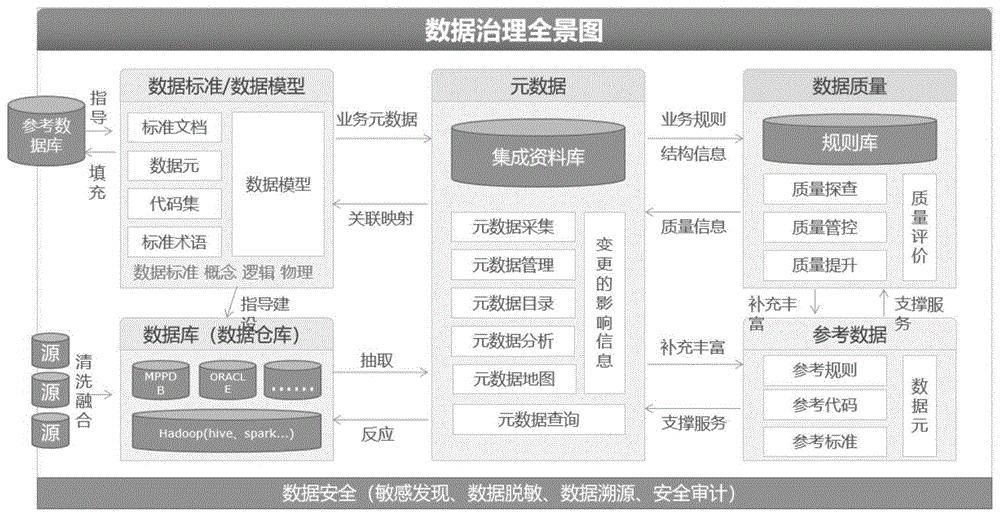
Through the methodology for building a data standards system plus a data indicator system, it establishes unified indicator definitions, eliminates data ambiguity, and solves the problems of inconsistent data definitions and chaotic, inefficient data queries.
4. Unified development platform
It provides a visual, drag-and-drop self-service development and analysis platform, unifies the data development process and project cycle management, and supports visual, integrated batch and stream, and integrated data warehouse development methods for agile data development.
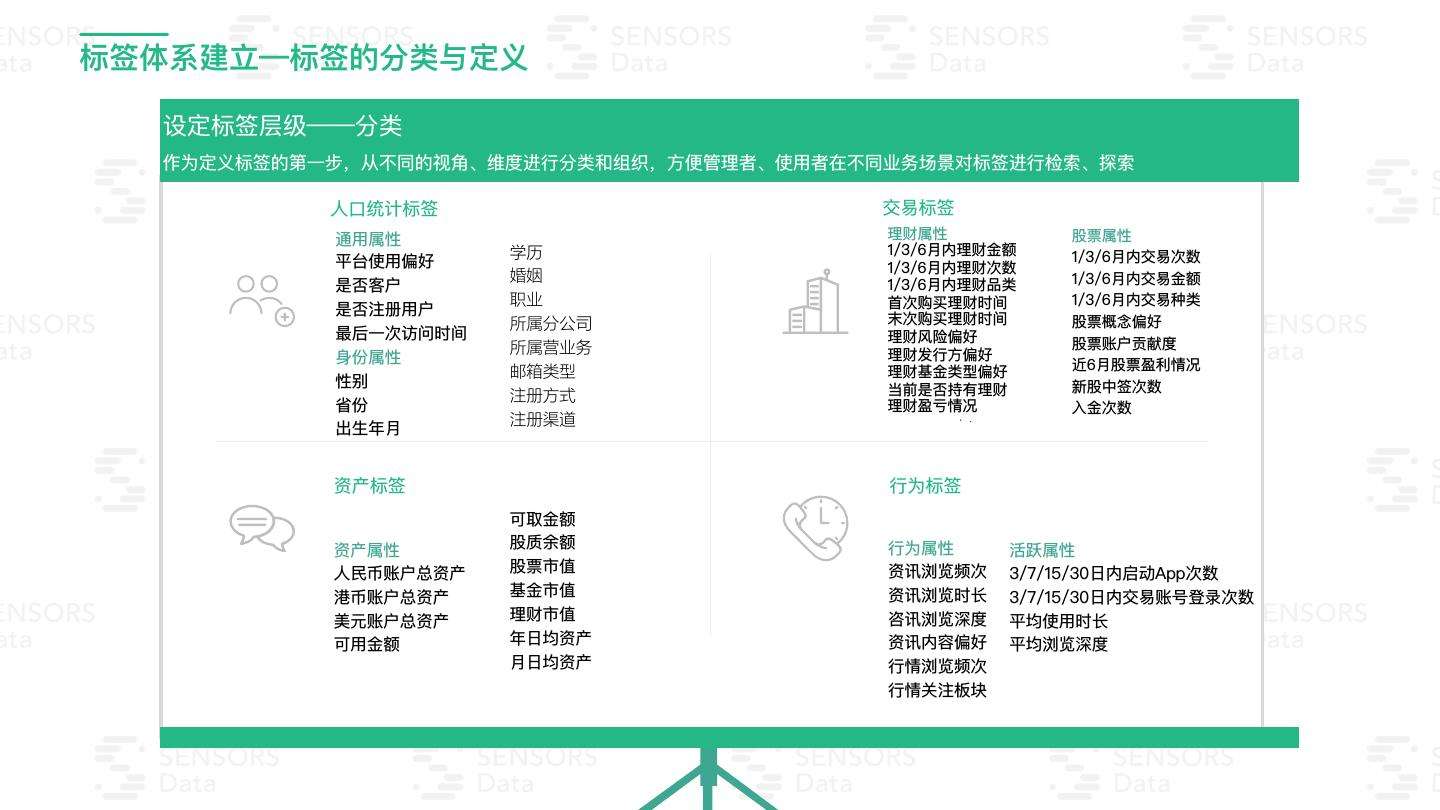
5. Customized tag construction
It helps customers build tag systems and generate an on-demand “data supermarket”, enabling users to use tag data as conveniently and flexibly as shopping in a supermarket.
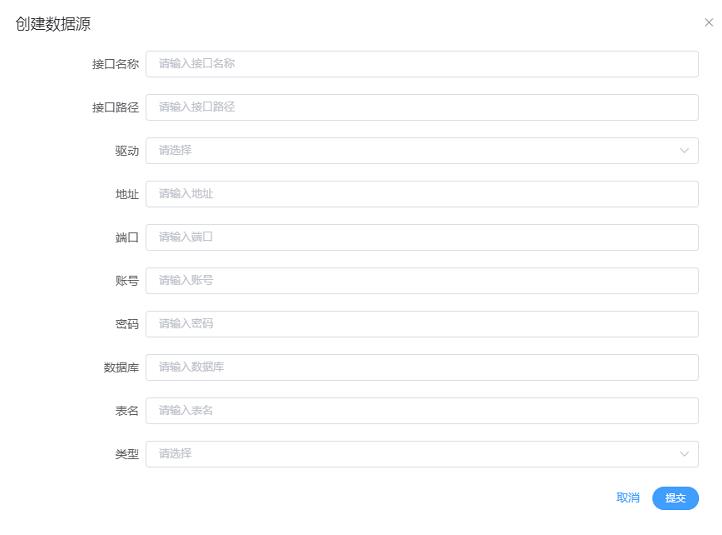
6. Self-service API publishing
Simple and easy to use, it supports rapid creation of service APIs with SQL. It provides unified sharing services for data assets, realizing all requirements with one API. It adopts secure and reliable authentication methods, and authentication can be performed using TOKEN, AK/SK, and other methods.
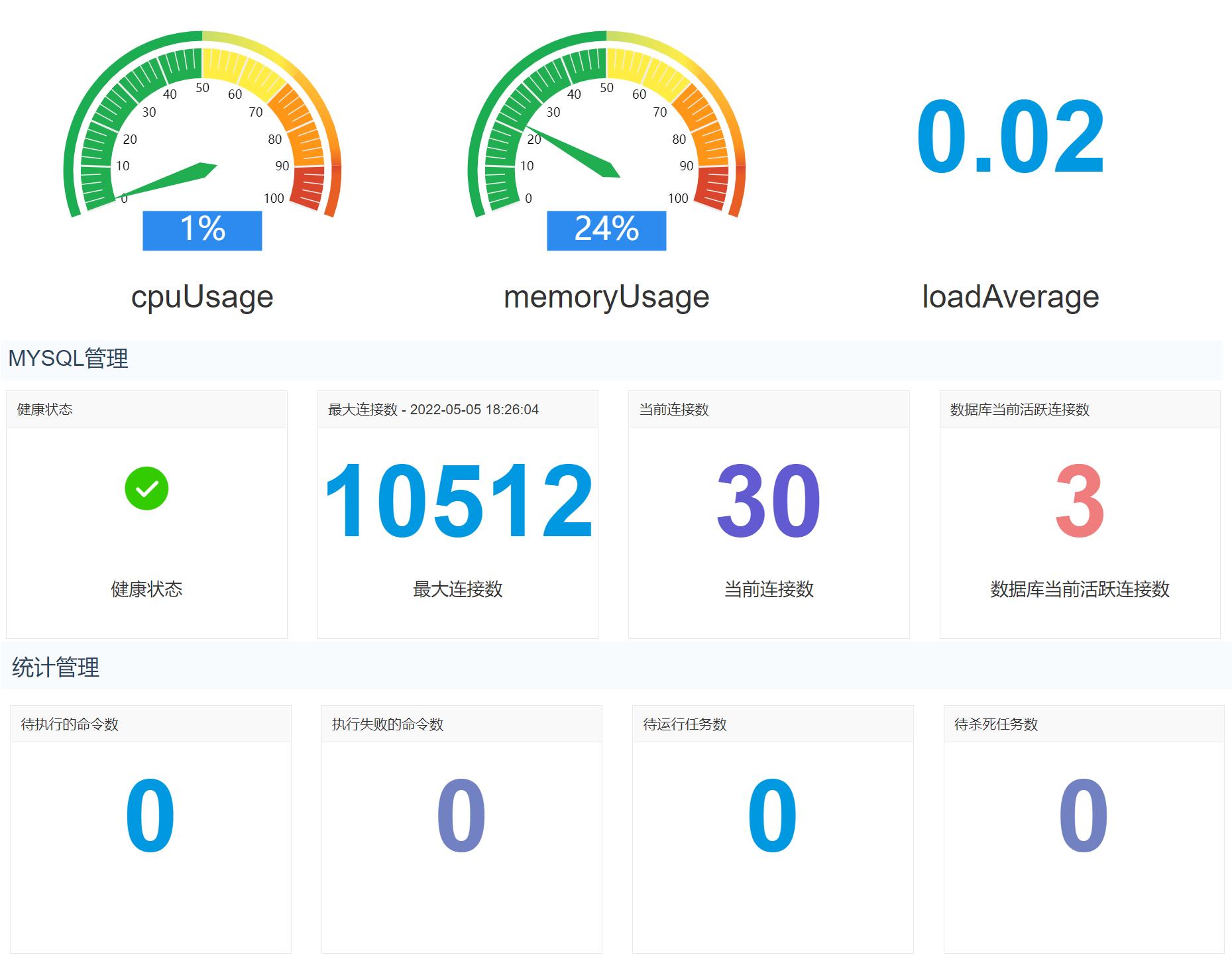
7. Global data operations monitoring
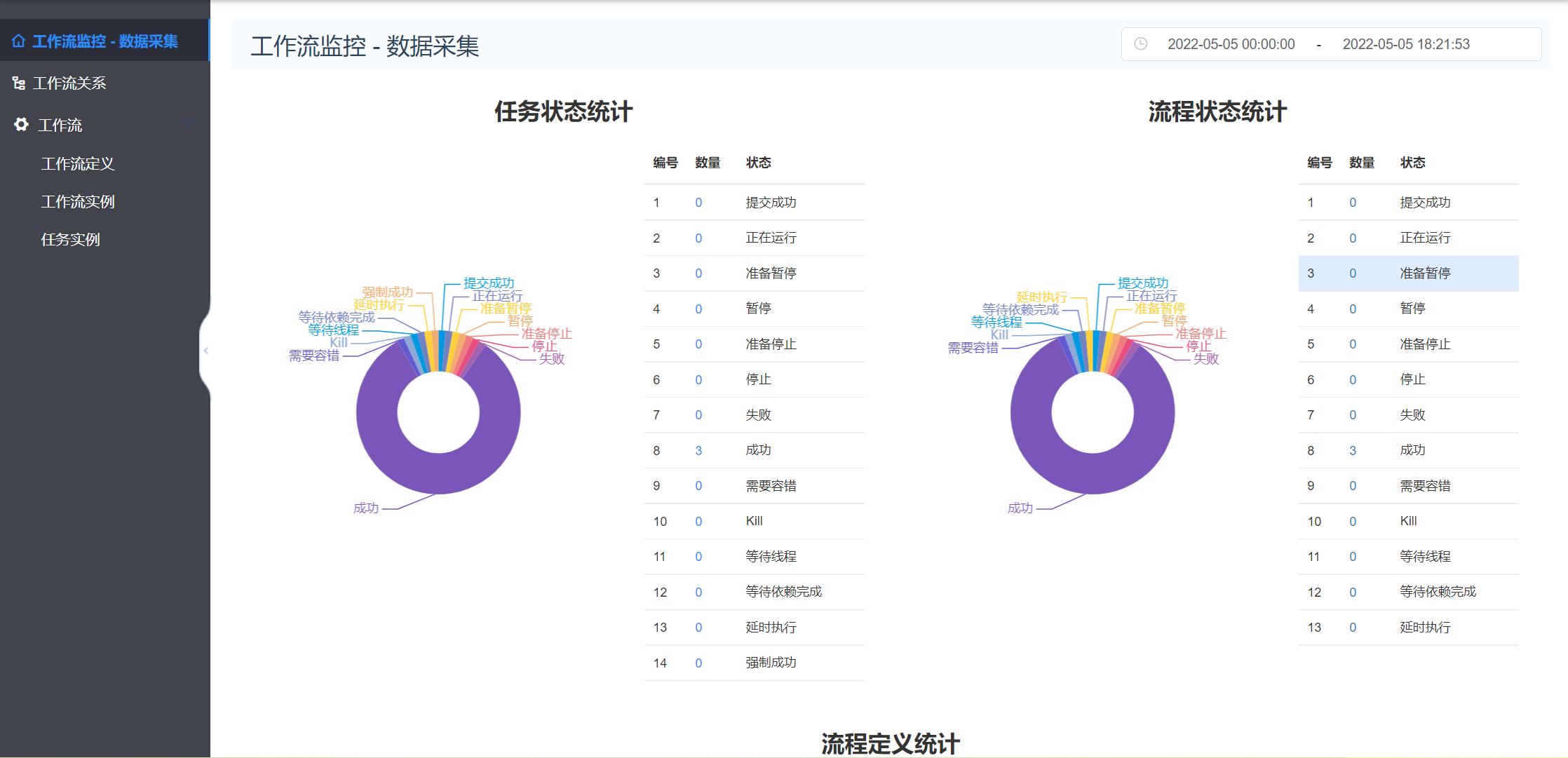
Dynamic monitoring of the health status of the entire platform, real-time alerts, and monitoring and display of the health status and basic information of various services.
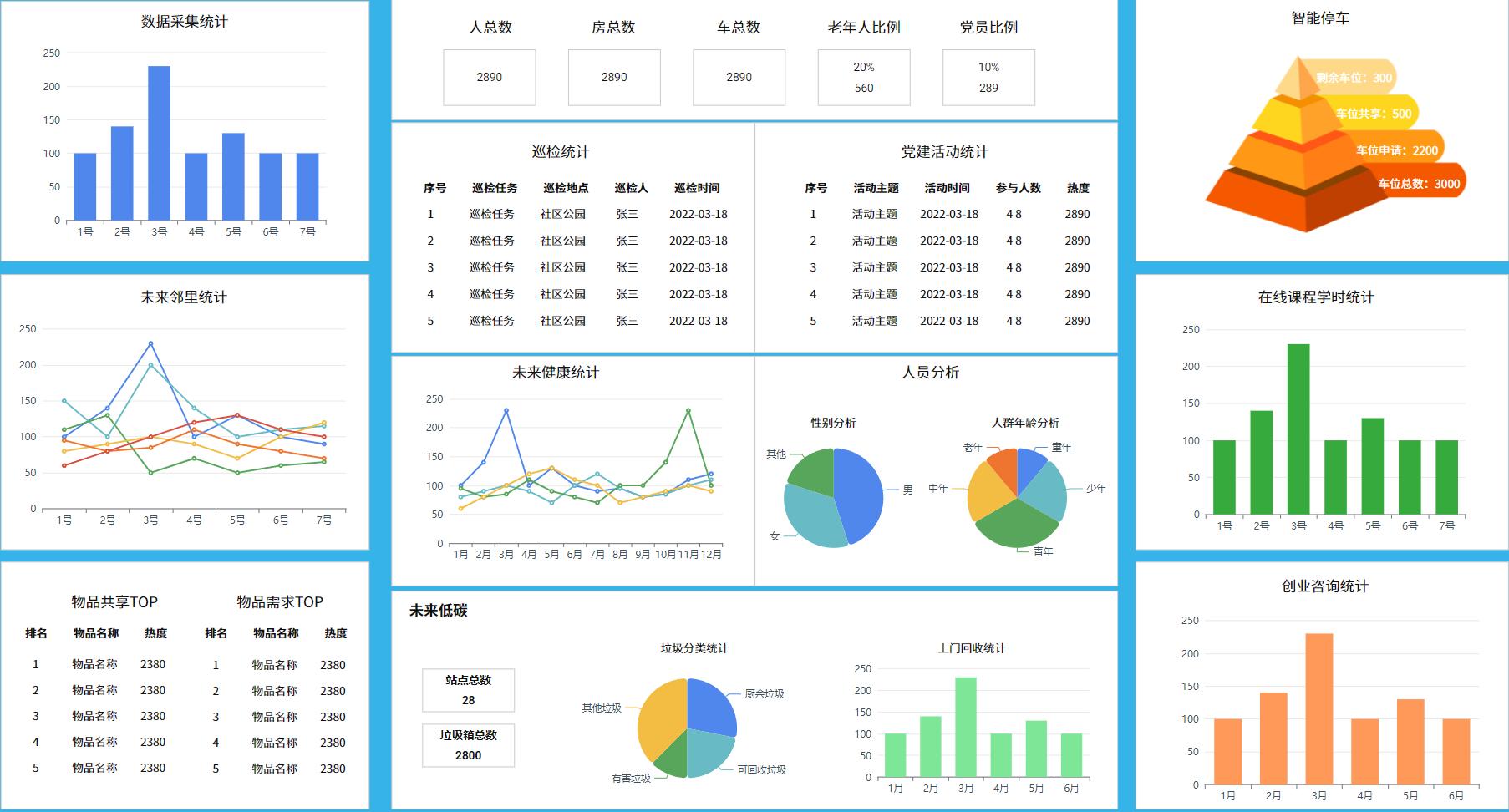
8. Data visualization display
A data dashboard that provides a comprehensive understanding of data and makes data more intuitive and clear. Rich visual interaction capabilities, abundant components, cool templates, and flexible interaction.
Functional Architecture
Application Scenarios
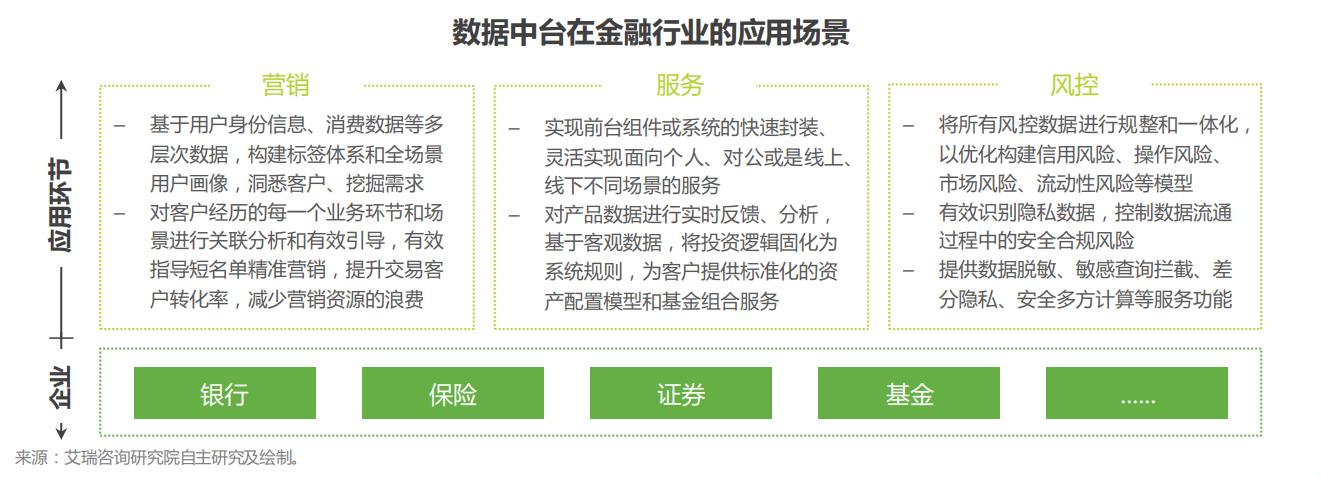
Scenario 1: Financial Industry
The financial industry is a more mature industry in terms of data assetization. It started information construction early and has invested huge funds, so it has a high level of informatization, a high degree of data standardization, and strong technical strength. However, with the rapid accumulation and expansion of data volume and the diversification of data structures and types, there are more and more business scenarios involving high concurrency and requiring strong consistency and horizontal expansion capabilities. Traditional financial industry has low data R&D efficiency, poor data timeliness, and difficult-to-guarantee data quality. Its standard data models cannot adapt to rapidly changing business requirements, and it lacks the ability for in-depth data use and comprehensive analysis. Its methodology system urgently needs iterative upgrading. In addition, under the situation of strong regulation and unified risk control, the requirements for the service capability and operational capability of IT facilities are also increasing. For financial institutions undergoing digital transformation and upgrading, the Blue Whale Data Middle Platform is an effective solution for achieving agile business capabilities across all channels and the entire link. According to data governance requirements, it implements a full-lifecycle standard management process, helping enterprises connect internal departments and end customers, achieve unified management of data across departments and multiple business systems, improve data quality, form a working environment for data management, and provide data services to respond faster to changes in policies, rules, and requirements.
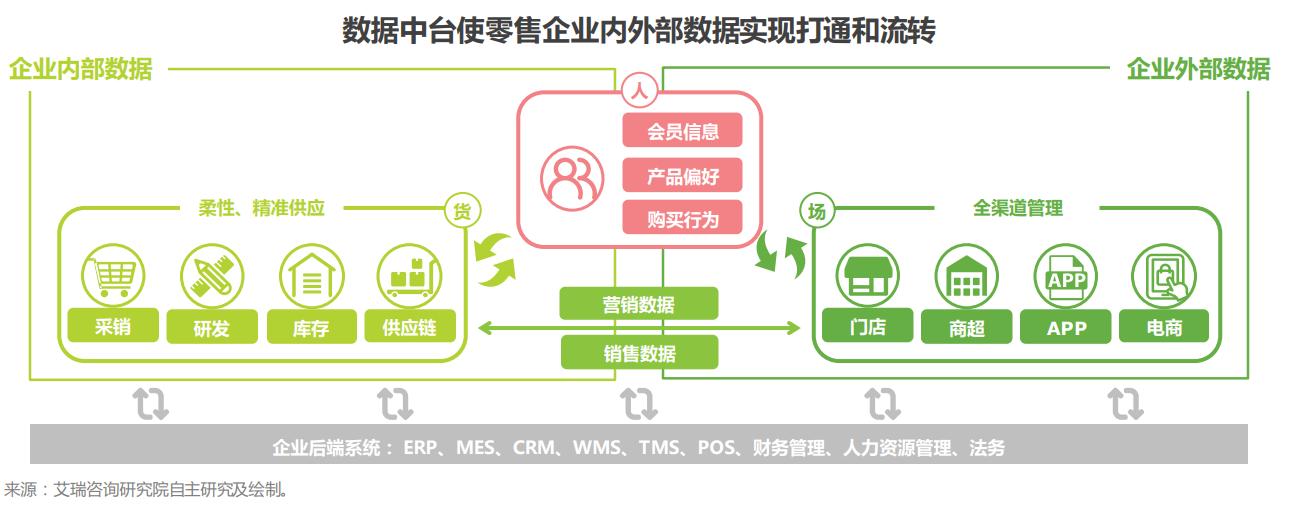
Scenario 2: Retail Industry
In the process of informatization construction, retail enterprises have accumulated and built various business systems, including ERP, MES, CRM, WMS, TMS, POS, etc. With the emergence of various online and offline retail channels, channels such as offline stores, proprietary malls, e-commerce platforms, and social software platforms have also brought large amounts of fragmented data. The fragmentation of business systems and the dispersion of channels have gradually exposed drawbacks: it is impossible to build full-scenario consumer profiles through unified member data management to achieve precision marketing, and it is impossible to update “purchase-sales-inventory” data in real time and combine it with marketing data to achieve intelligent data analysis. The Blue Whale Data Middle Platform architecture has strong compatibility and scalability and encapsulates complex algorithms suitable for various business scenarios. Through standard API data interfaces, it can support enterprises in quickly connecting retail intelligent applications and business systems, helping enterprises reduce modifications to original business systems, improve reuse efficiency, connect internal and external enterprise data, and fully circulate data. The Blue Whale Data Middle Platform can improve the data capabilities of retail enterprises as a whole, enabling enterprises to conduct data-oriented sales planning, product selection and distribution strategy formulation, commodity operation and inventory forecasting, etc., and achieve precise analysis of consumers and flexible response to changes in the terminal market.
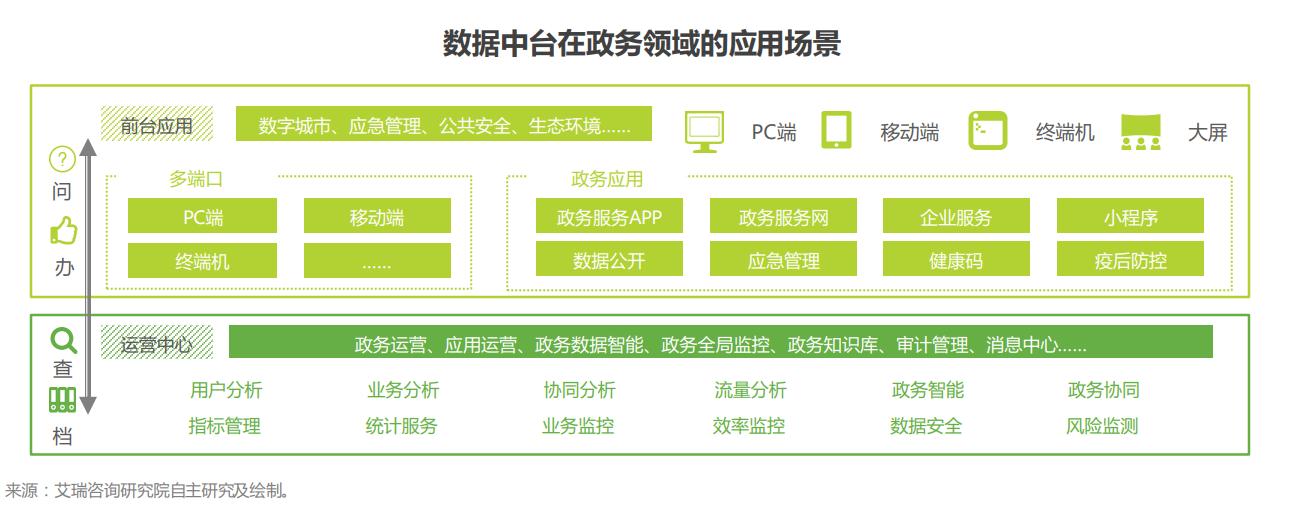
Scenario 3: Government Affairs
In recent years, government departments have continuously increased investment in informatization construction, the process of government cloud adoption has also continued to accelerate, and infrastructure construction has matured. However, government services have the characteristics of strong professionalism, many process steps, and complex handling situations. Informatization construction is mostly carried out in multiple lines, such as tax systems and public security systems, resulting in serious data islands. At the same time, there are huge differences in the informatization levels among government service departments. Therefore, the current government systems have problems such as high functional overlap, scattered applications, and difficult departmental collaboration. It is urgent to establish a data system in which organizations, users, collaboration, and business are all online, solve the problem that business innovation in government services lags behind social needs, promote the integration of data and business, and improve the supply-side capability of a service-oriented government.
The unified data collection, construction, management, and use capabilities provided by the Blue Whale Data Middle Platform can realize unified management of data in the government affairs field. Based on the data connected across departments, it can carry out deeper data insights, improve intra-departmental and cross-departmental office and service efficiency, promote refined government work, comprehensively enhance the government's convenient service capability for the public and scientific decision-making capability, and bring new governance models and service models to the government.
Scenario 4: Industry
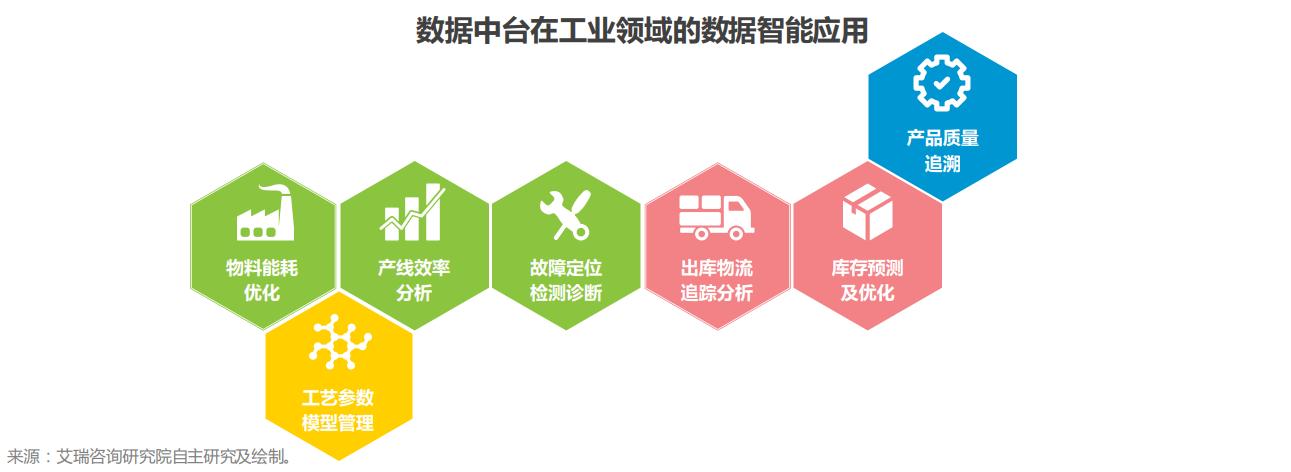
As the process of industrial digitalization continues to accelerate, traditional industrial enterprises are facing a critical period of digital transformation. At different stages of past informatization construction, industrial enterprises have successively launched industrial management systems such as ERP, SCM, SRM, WMS, PLM, and MES, as well as some coding systems, SPC, and quality traceability systems that collaborate with upstream and downstream manufacturers. Software quality varies, and interoperability between systems is poor. When new systems are continuously launched, the integration workload will grow exponentially. The lack of overall planning for system construction also leads to the definitions of BOM, factories, and processes and the basic data semantics of various systems being independent of each other. Data generated in the entire production process has inconsistent definitions, so many high-value data can only circulate within their own systems and cannot play a role in a larger full-process chain. The Blue Whale Data Middle Platform can efficiently integrate heterogeneous industrial data, build an enterprise-level data architecture and a complete data service system to support large-scale, diversified, and full-link operational production in traditional industry, and play a data guidance role. Achieving business value-added is the core of traditional industry moving toward scientific and refined operations.
Frequently Asked Questions
Q1: What is the difference between a data middle platform, a data warehouse, and BI?
A: They are different. A data warehouse focuses on storage and query, BI focuses on report display, and a middle platform covers the entire chain from collection, governance, modeling, tags, and indicators to applications. The first two solve how to view data, while the middle platform solves whether data can be reused repeatedly.
Q2: We already have a data warehouse. Is it still necessary to adopt a middle platform?
A: It depends. If data is used only within one department, a data warehouse is sufficient; if cross-department definitions do not match and the same data needs to be processed repeatedly, the value of a middle platform becomes apparent. It is recommended to conduct a round of data inventory before making a decision.
Q3: Is the data middle platform a standard product or custom development?
A: The foundation is standard, but implementation requires customization. Capabilities such as collection, governance, modeling, and tags are ready-made, but data standards, indicator definitions, and industry models must be sorted out according to your business. So it is a standard product plus implementation services, not something ready to use out of the box.
Q4: How are data permissions managed, and who can see which data?
A: Authorization is tiered by role, down to fields and rows. Who can view which tables and fields and whether they can export can all be configured separately, and queries and exports leave logs throughout the process. Sensitive data supports masked display; external access only goes through APIs, and databases are not provided directly.
Q5: What is the relationship between the data middle platform and your other products?
A: The middle platform is the foundation, and other business systems are built on it. Products such as Smart Emergency, Digital Village, and Smart Park all obtain data from it, and reports and large screens are also generated from it. Your existing systems do not need to be overturned; the middle platform is responsible for connecting the data.