


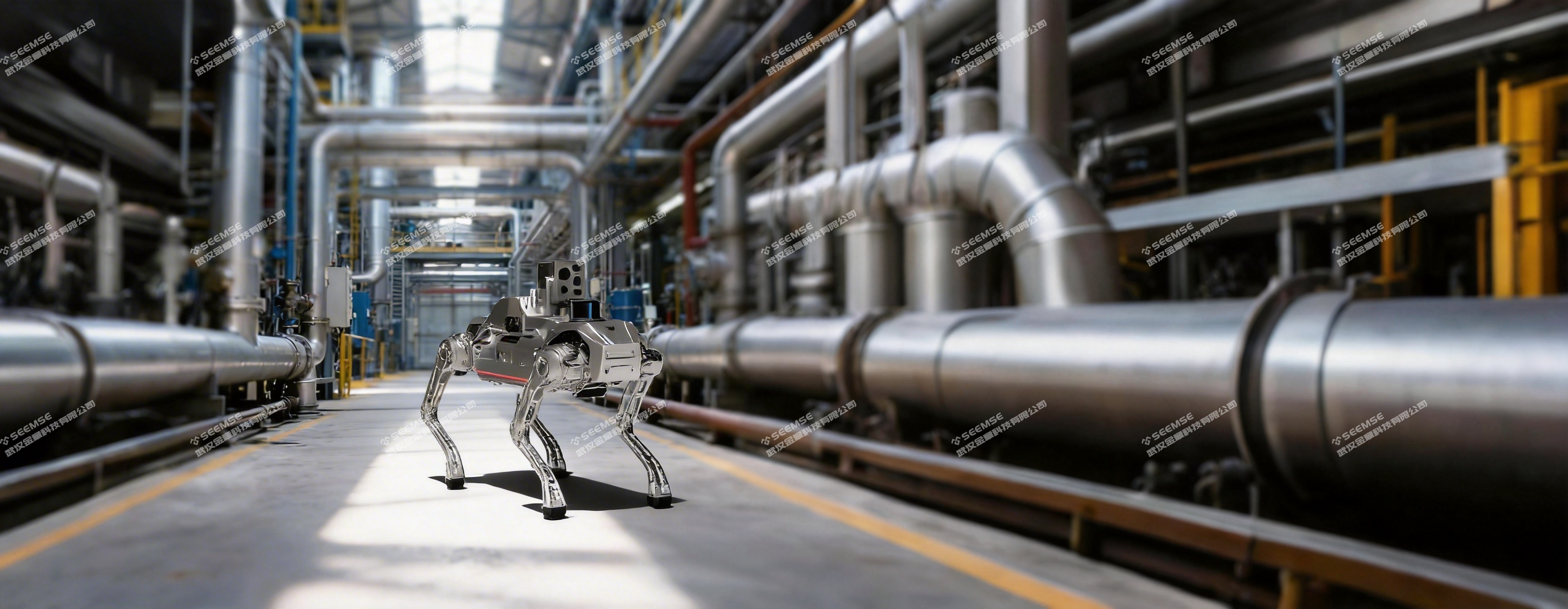
The Pangolin Explosion-Proof Quadruped Robot (Explosion-Proof Robotic Dog) is a special robot designed for high-risk scenarios, already in mass production and certified for explosion protection. The product has undergone multiple iterations and includes heavy-duty and lightweight series, all of which have passed Ex explosion-proof certification and are suitable for flammable and explosive hazardous environments. Relying on multi-sensor fusion and AI large-model technology, the robot has all-terrain autonomous navigation capability, can easily cross obstacles and climb slopes, and can withstand extreme climates. Equipped with more than 500 intelligent algorithms, it can accurately complete tasks such as equipment inspection, data collection, and emergency reconnaissance. Combining high load capacity and long endurance, it has been widely used in petrochemical, power, pipeline network, firefighting and other fields, building a strong intelligent defense line for safe production in the industry.
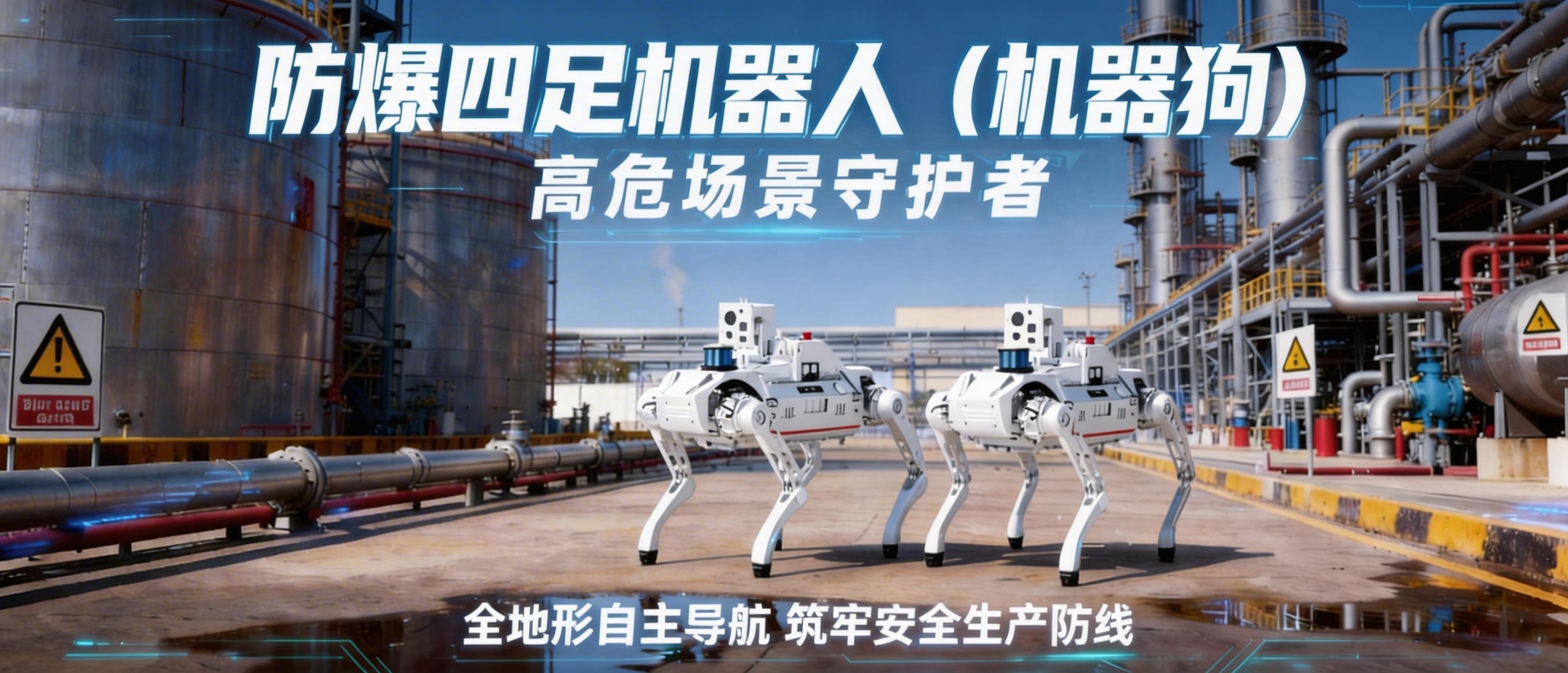

Product Introduction
Product Advantages
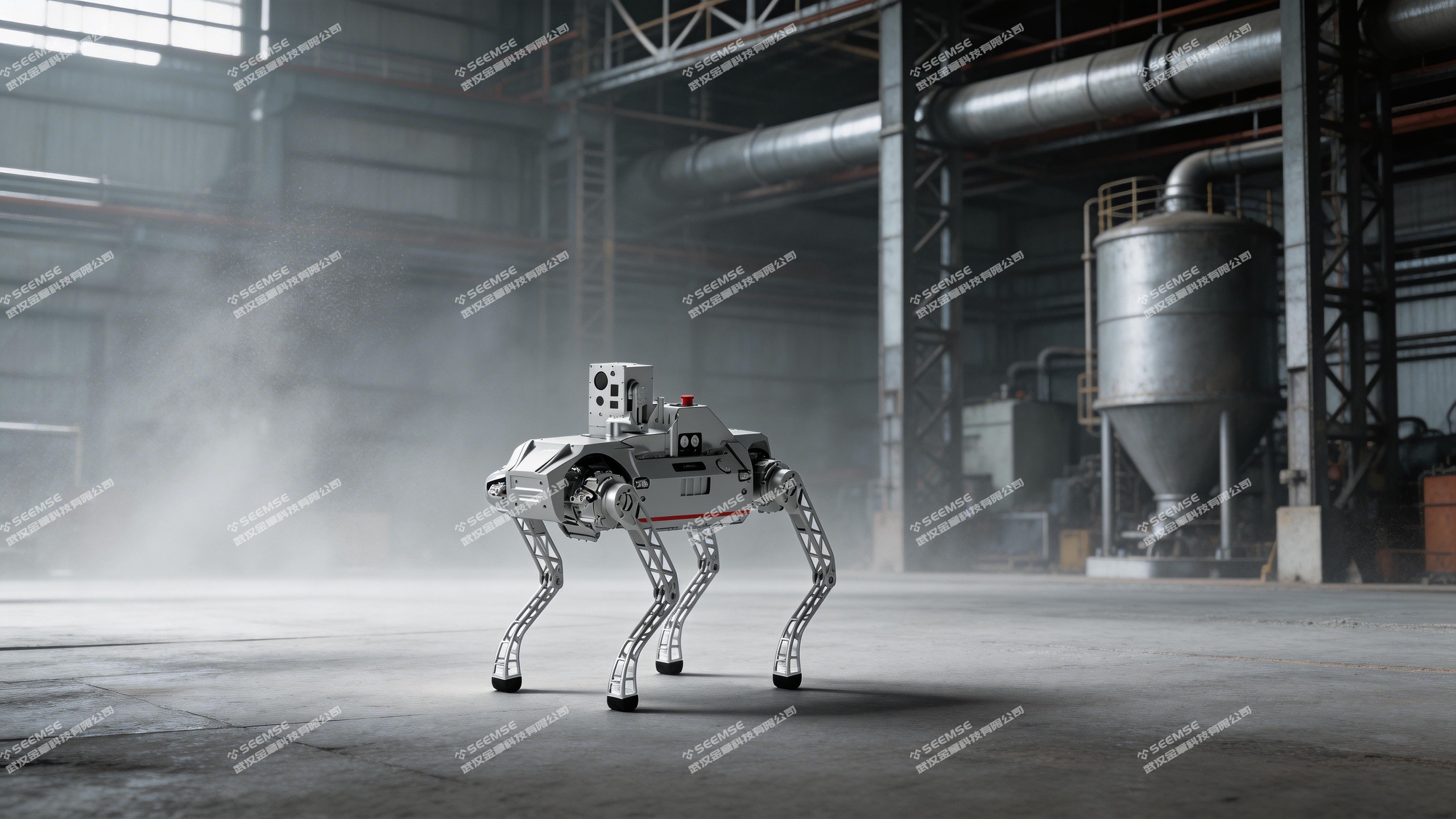
1. Authoritative Class II Explosion-Proof Protection
Passed Ex IIB T4 Gb Class II explosion-proof certification and IP66/IP68 industrial-grade protection, withstands salt spray and high-dust environments, and can operate safely in high-risk scenarios such as flammable and explosive areas.
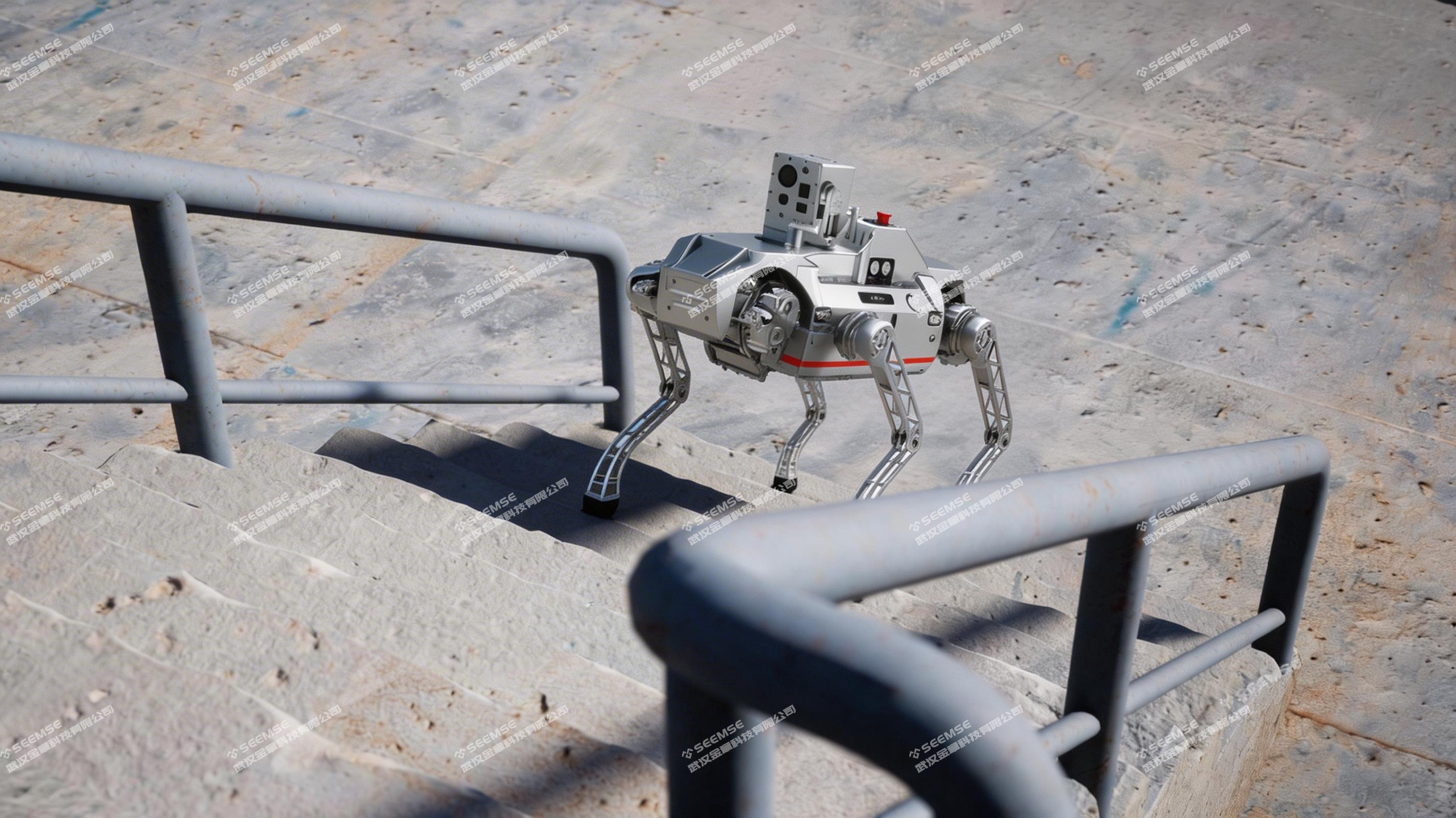
2. All-Terrain Mobility
Leg joint performance increased by 40%, combined with optimized gait algorithms, it can smoothly cross complex terrain such as steps, slopes, and muddy ground, with a maximum climbing angle of 35°.
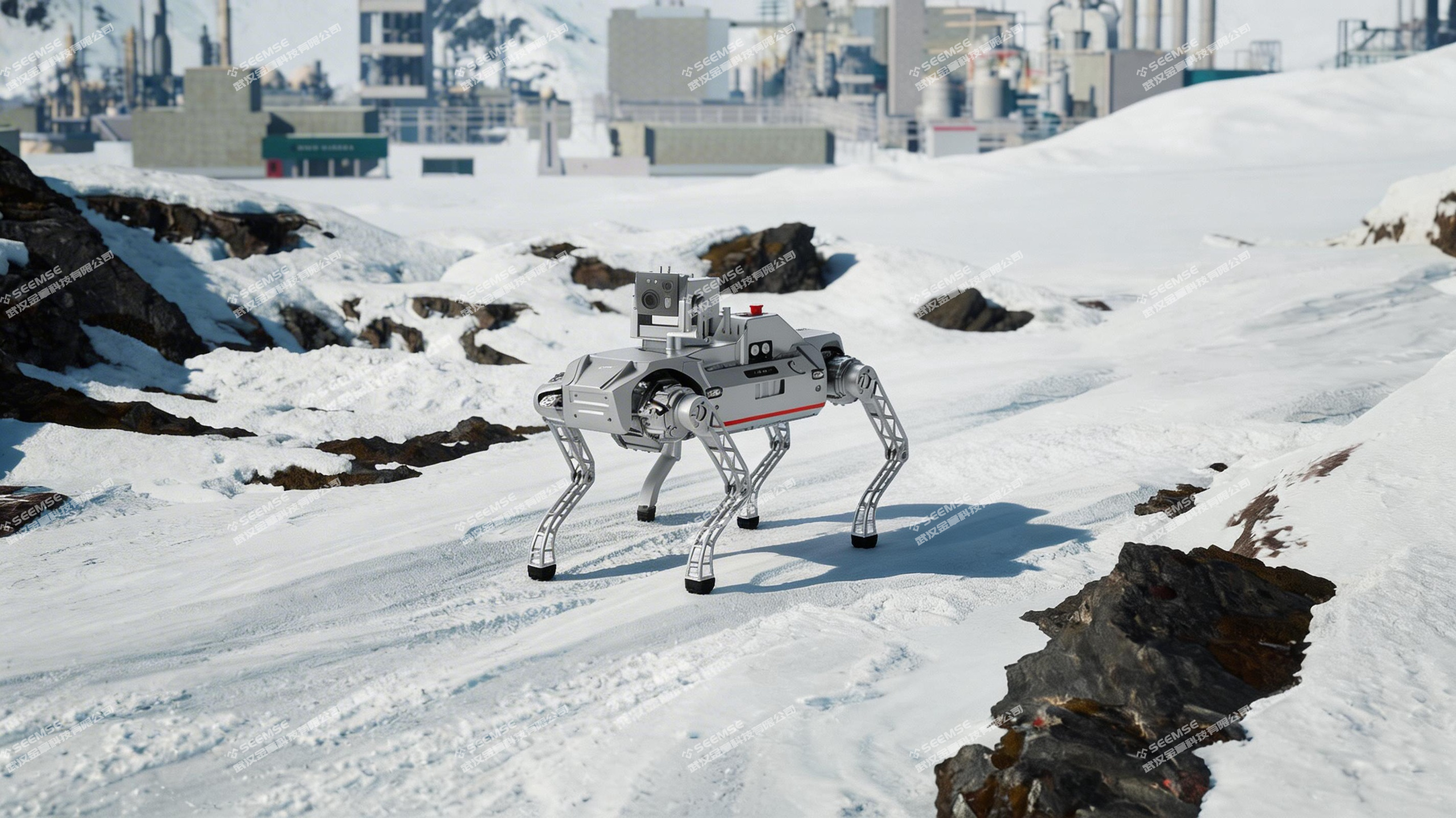
3. Extreme Environment Adaptability
Equipped with an active temperature control module, it can withstand extreme climates such as heavy rain, high temperatures, and cold waves, increasing equipment stability by 40% and extending service life by 20%.
4. Intelligent and Efficient Inspection
Integrating AI large models and multi-sensor technology, environmental perception accuracy is increased by 30%, it can accurately detect equipment defects and gas leaks, and inspection efficiency is increased by 20%.

5. Long Endurance and Uninterrupted Operation
The three-electric system has been upgraded to version 2.0, endurance increased by 30%, supports long-term continuous operation, and with 5G/WiFi 6 enables real-time data backhaul.
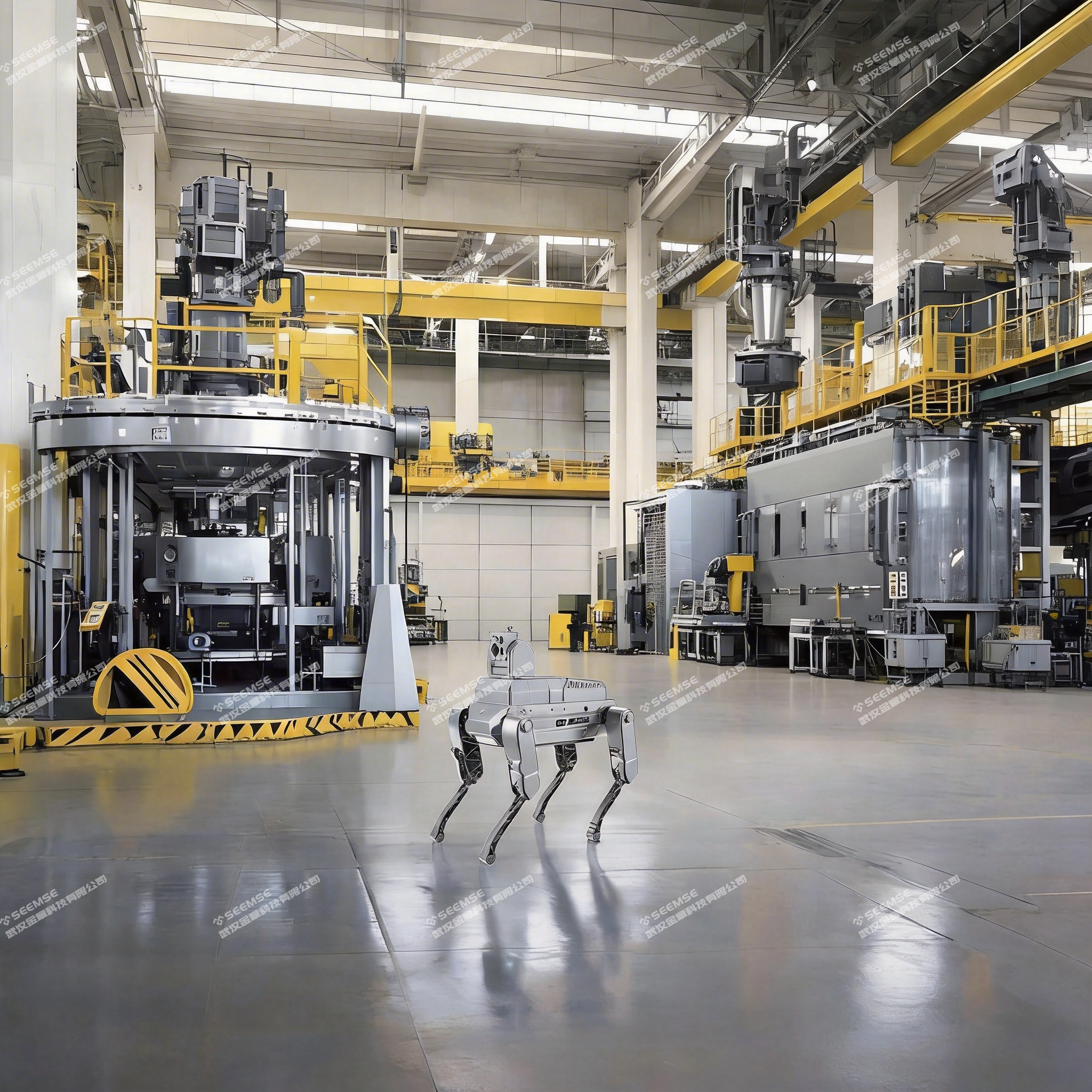
6. Intelligent System Functions
Structural system, hydraulic system, electrical system, navigation system, control software, etc.
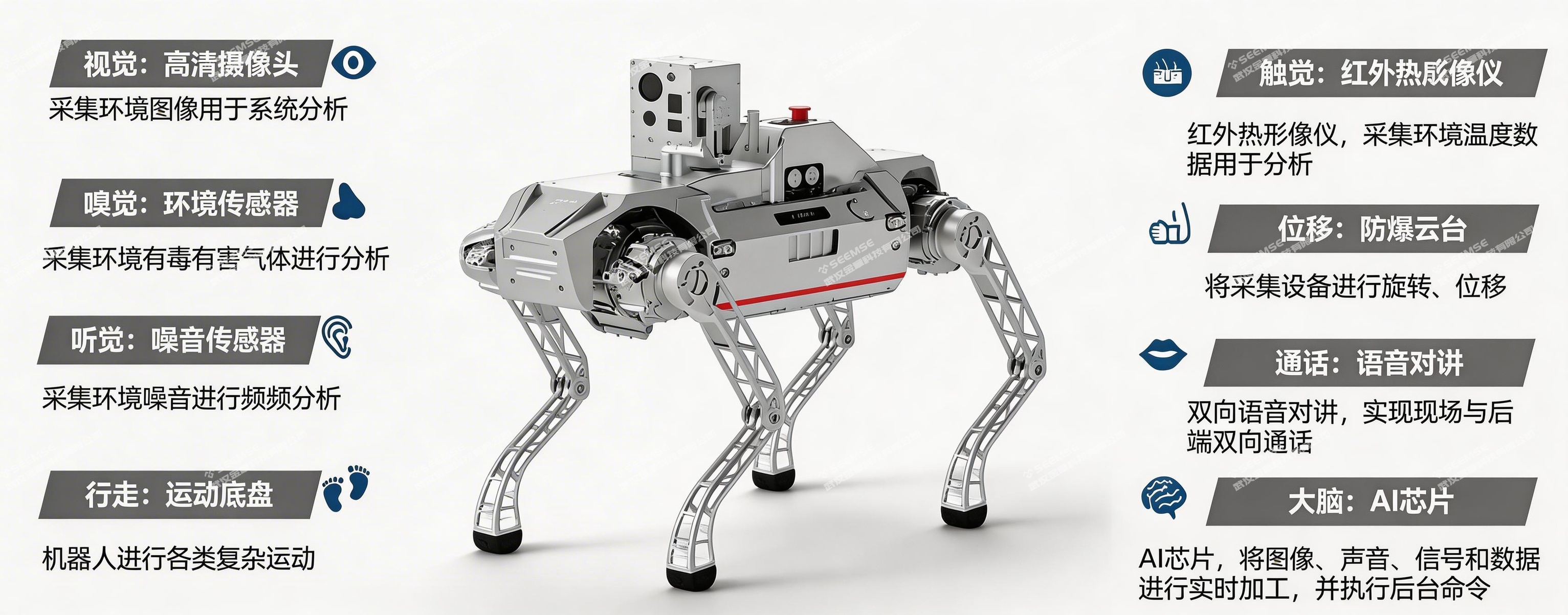
Product Functions
1. All-Terrain Mobile Walking
· Adaptive gait: adjusts leg joint strength and rhythm in real time, adapting to complex terrain such as steep slopes, steps, gravel, snow, and mud;
· Flexible obstacle avoidance: integrates laser navigation and depth camera data, with industry-leading obstacle recognition accuracy, and can autonomously plan the optimal path;
· Stable control: supports multi-posture movement such as 360° in-place turning and lateral walking, and can operate flexibly in both narrow pipes and open sites.

2. Intelligent Navigation and Real-Time Path Planning
Self-developed intelligent navigation algorithm identifies the surrounding environment, automatically calculates mapping, performs real-time path planning, and actively avoids obstacles, with core technology leading the industry. Equipped with a LiDAR system, it greatly expands the inspection range and positioning accuracy. The main navigation mode uses LiDAR + IMU, enabling autonomous unmanned inspection by the robot, with more diverse and precise inspection routes.
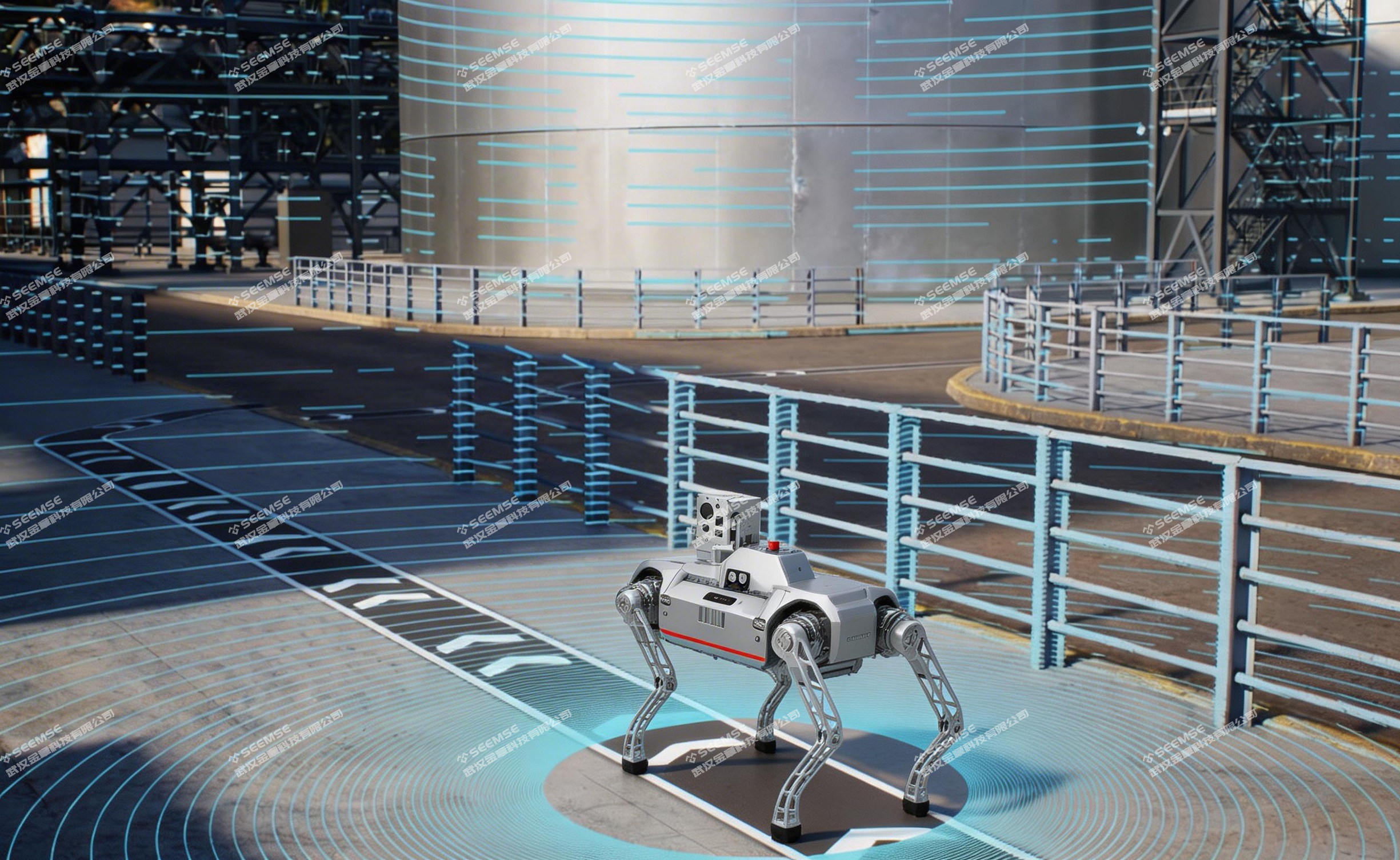
3. Multi-Dimensional Intelligent Inspection
Equipped with thermal imagers, gas sensors and other diverse devices, it can collect real-time parameters such as temperature, humidity, and gas density, and combined with AI algorithms automatically identify hidden dangers such as equipment abnormalities, leak points, and risk areas, generating visual inspection reports. It supports 24-hour uninterrupted operation and, with the 'Bee Colony System,' can coordinate the scheduling of 50 robots to complete full-coverage inspection of large areas.
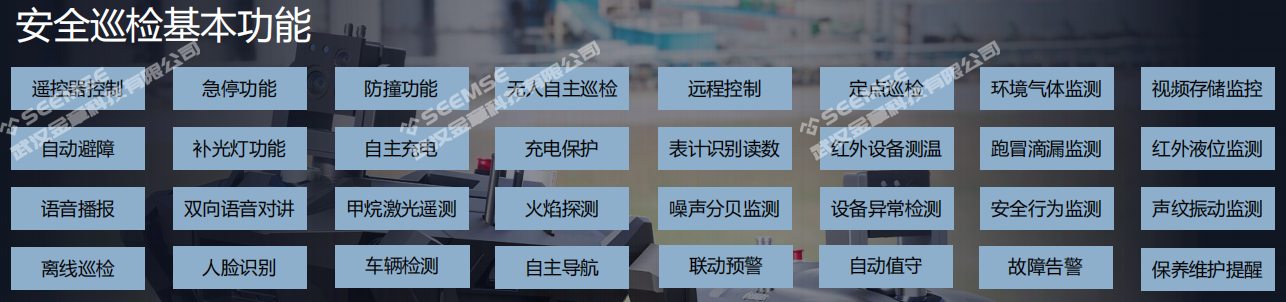
4. Multi-Functional Operation Expansion
With a 200kg large load capacity, the high-load model can mount devices such as gimbals and robotic arms to complete heavy-duty tasks such as material transportation, rescue equipment handling, and equipment operation and maintenance; the lightweight model focuses on high-precision reconnaissance and data collection, providing accurate basis for emergency decision-making. The system supports modular expansion and can be equipped with different sensors and operation components according to scenario requirements to build personalized solutions.
5. Remote Intelligent Control
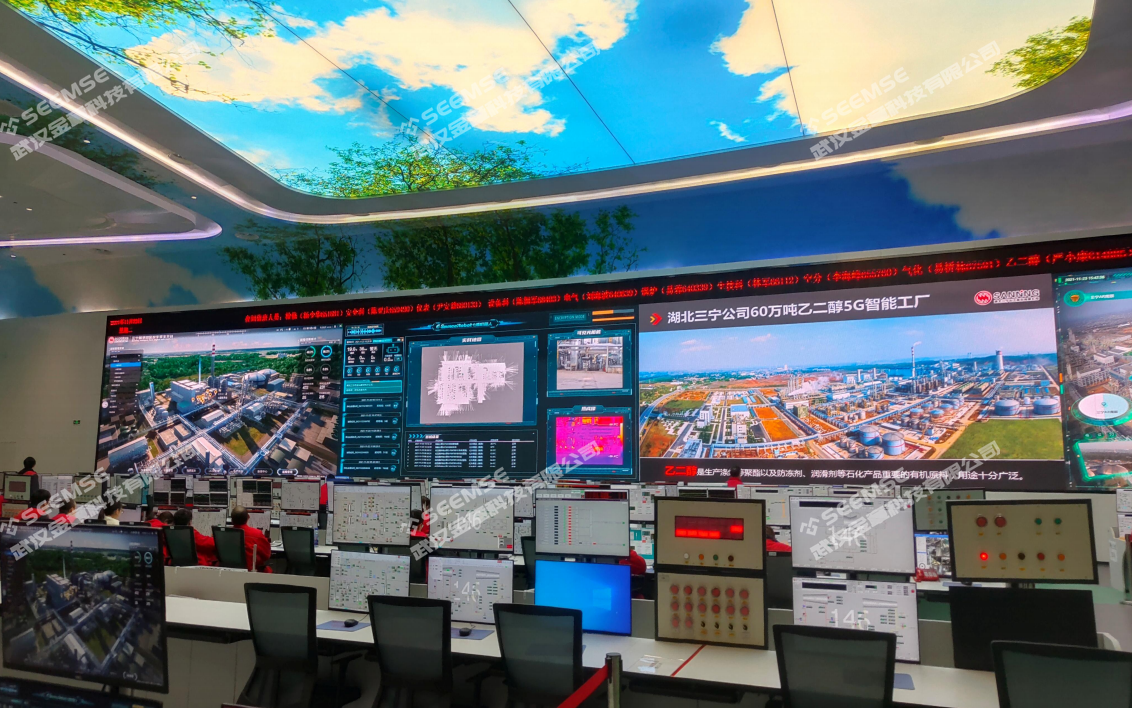
Remote control is achieved through multimodal interaction such as voice and text. Digital twin scenarios present equipment status and environmental data in real time, and support inspection data traceability, fault review, and historical record queries. Edge computing and cloud computing work together to balance local rapid response and remote complex task processing needs.
Application Scenarios
(I) Petrochemical Industry
For scenarios such as refining units, tank farms, and pipeline routes, it performs triple inspection tasks: ① Daily inspection: completes equipment temperature monitoring, meter reading, and seal point leakage detection every 2 hours; ② Special inspection: after extreme weather such as heavy rain and high temperatures, automatically carries out comprehensive hidden-danger inspections; ③ Emergency inspection: when a gas leak alarm occurs, arrives at the site within 1 minute to locate the leak point and draw a diffusion range map. A single robot can replace 3 inspectors, saving more than RMB 600,000 in labor costs per year, with a leak identification accuracy of 99%.
(II) Mineral Exploration
Goes deep into underground mines to perform the dual tasks of 'exploration + monitoring': uses LiDAR and high-definition cameras to draw 3D geological maps with an accuracy of ±5cm; the gas sensor array monitors hydrogen sulfide and carbon monoxide concentrations in real time, and immediately triggers an alarm and plans an evacuation route when concentrations exceed the standard; when working at the excavation face, it can carry geological radar to detect rock formation structures within 10 meters ahead and provide early warning of collapse risks. After application, the exploration cycle is shortened by 50%, and the frequency of personnel entering high-risk areas for operations is reduced by 90%.
(III) Fire Rescue Scenarios
Participates in disaster response as a 'forward scout': in a fire scene, it uses an infrared thermal imager to locate the fire source (accuracy ±0.05°), and gas sensors detect the concentration of toxic and harmful gases to plan safe passages for rescue teams; at collapse sites such as earthquake ruins, it carries a life detector to identify breathing and heartbeat signals of trapped people with positioning accuracy of ±1 meter, and can also transport first-aid kits, water and other supplies to the trapped point. In actual operations such as the Greater Khingan Mountains fire, it has achieved an average reduction of 3.8 hours in the rescue cycle.

(IV) Nuclear Energy and Power Industry
In nuclear facility areas, the robot is equipped with radiation dose sensors (measurement range 0.1μSv/h~10Sv/h) to complete radiation hotspot detection and radioactive waste cleanup around reactors, which can reduce 1,200 personnel entries into high-radiation areas over three years; in substation scenarios, it automatically inspects transformers, circuit breakers and other equipment, monitors equipment temperature anomalies through infrared thermal imagers, provides early warning of electrical faults, and reduces the equipment failure rate by 40%.

Customization Services
(I) Customized Solutions
Provides full-chain customization services according to customer scenario requirements: at the hardware level, special equipment such as geological radar and life detectors can be added, and anti-slip/anti-sinking foot kits can be replaced; at the software level, inspection processes and data report formats can be customized to adapt to the enterprise's existing digital management platform; for special environments (such as high-salt-spray offshore platforms), personalized modifications such as anti-corrosion coating upgrades and sealed structure reinforcement are provided.
(II) Full-Cycle Technical Support
A dedicated service team of '1 account manager + 2 technical engineers' is established to provide 24-hour response service: installation, commissioning, and operation training are completed within 48 hours after equipment delivery; every month, the equipment operating status is monitored through the remote system to provide early warning of potential problems such as battery degradation and joint wear; algorithms are iterated free of charge for life, and upgrade packages such as new defect recognition models and gait optimization algorithms are pushed every quarter.
(III) Comprehensive After-Sales System
Service outlets are laid out in major regions across the country, providing 4-8 hour on-site response service for customers in prefecture-level cities; for customers in county-level cities, response time is coordinated according to traffic conditions to ensure service efficiency; dual guarantees of 'regular maintenance + emergency repair' are provided: quarterly on-site routine maintenance items such as joint lubrication and explosion-proof seal testing ensure stable equipment operation; when equipment fails, according to customer needs and inventory conditions, backup equipment support will be coordinated within a reasonable time to minimize the impact of operation interruptions. The 'Old User Renewal Plan' is launched to provide eligible old users with preferential equipment upgrade policies during the warranty period, helping users enjoy the convenience brought by technological iteration.
FAQ
Q1: What scenarios is the Pangolin Explosion-Proof Quadruped Robot suitable for?
A: It has obtained formal Ex explosion-proof certification and is mainly used in petrochemical, mining, fire rescue, nuclear power and electric power. It can enter flammable and explosive high-risk areas that are difficult for personnel to reach and complete inspection and reconnaissance tasks.
Q2: How is the terrain passing capability of the explosion-proof quadruped robot?
A: With a quadruped gait design and a maximum climbing angle of 35°, it can climb steps, walk on gravel and muddy roads, and also supports in-place turning. It can pass and operate in narrow equipment rooms and complex unstructured environments.
Q3: What safety hazards can the explosion-proof quadruped robot detect?
A: Equipped with thermal imaging and multiple types of gas sensors, it can measure equipment temperature and identify gas leaks. AI algorithms identify equipment defects and report abnormalities when encountered, supporting 24-hour uninterrupted inspection operations.
Q4: How to choose between the heavy-load and lightweight versions of the explosion-proof quadruped robot?
A: Choose the heavy-load model if you need to transport materials and mount robotic arms; if you only do on-site reconnaissance and data collection with emphasis on flexibility and mobility, choose the lightweight version. Both have explosion-proof protection capability.
Q5: Does the explosion-proof quadruped robot support multi-robot collaborative operation?
A: It supports the bee colony scheduling system, which can schedule up to 50 robots to work collaboratively at the same time. Large plant areas can be inspected in sections, inspection data will be sent back to the backend, and digital twin remote control is also supported.