


The Digital Village Governance Platform is an innovative platform that uses information technology and internet thinking to provide support and services for village governance. By integrating and managing various village data resources, it provides data analysis and decision support functions, helping villages achieve refined and intelligent governance.

Product Introduction
Product Structure
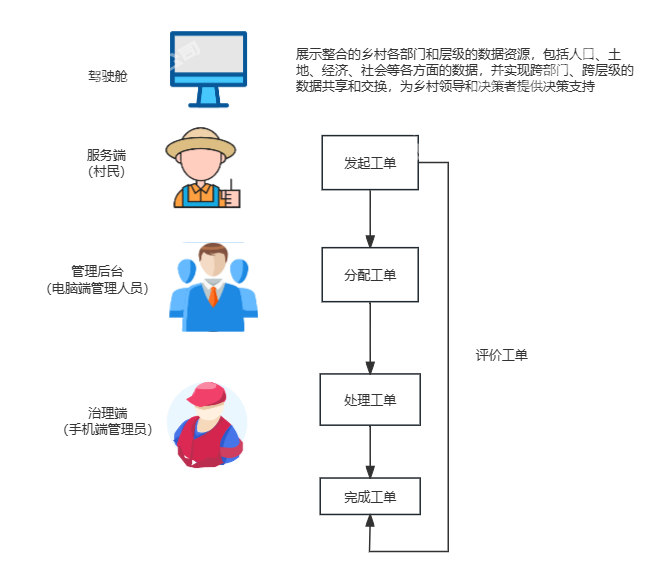
The Digital Village Governance Platform consists of four terminals: the cockpit, the service terminal, the governance terminal, and the management backend.
Terminal description: The cockpit is a large-screen display; the governance terminal is a mobile terminal used by management personnel; the service terminal is a mobile terminal used by villagers; the management backend is a computer terminal used by management personnel.
Product Features
Data-driven: The Digital Village Governance Platform is based on data. By collecting, integrating, and analyzing various village-related data, it provides scientific basis and decision support for village governance. Through data-driven operation, it enables comprehensive understanding and precise advancement of village development.
Intelligent management: The Digital Village Governance Platform applies intelligent technologies such as artificial intelligence, big data, and cloud computing to achieve intelligent management across various village domains. For example, it uses drones to inspect farmland conditions, intelligently monitors environmental quality, and manages smart logistics, improving management efficiency and decision accuracy.
Fully online: The Digital Village Governance Platform combines informatization with village governance to achieve full online delivery of government services. Residents can handle government affairs, query information, and provide feedback through the platform, improving the convenience and transparency of government services.
Multi-party participation: The Digital Village Governance Platform encourages participation from multiple parties, including government, enterprises, farmers, and other subjects. Through the platform, the government can share information and make collaborative decisions with enterprises, farmers, and village residents, forming a multi-party synergy and promoting comprehensive improvement in village governance.
Industrial integration: The Digital Village Governance Platform promotes urban-rural industrial integration. Through the platform, urban resources can be delivered to villages, promoting the development of emerging industries such as agricultural modernization, rural tourism, and e-commerce, and driving the transformation and upgrading of the rural economy.
In summary, the Digital Village Governance Platform uses information technology to comprehensively improve village governance, achieving data-driven operation, intelligent management, full online service, multi-party participation, and industrial integration, and promoting the effective implementation of the rural revitalization strategy.
Product Functions
The Digital Village Governance Platform consists of four terminals: the cockpit, the service terminal, the governance terminal, and the management backend.
Cockpit (Large-screen Display)
The large-screen display presents data resources from various township departments and levels, including data on population, land, economy, society, and other aspects, and enables cross-department and cross-level data sharing and exchange. Based on data analysis, it provides decision support for township leaders and decision-makers, including support for policy making, planning formulation, and project evaluation, improving the scientificity and accuracy of decisions.
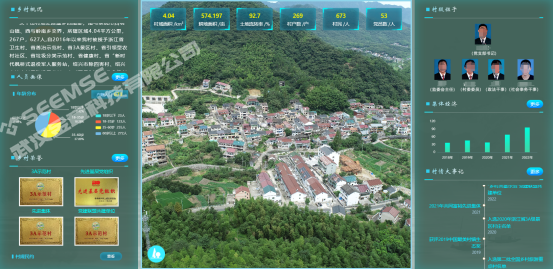
The cockpit is divided into three major sections: Smart Town, Smart Tourism, and Future Village.
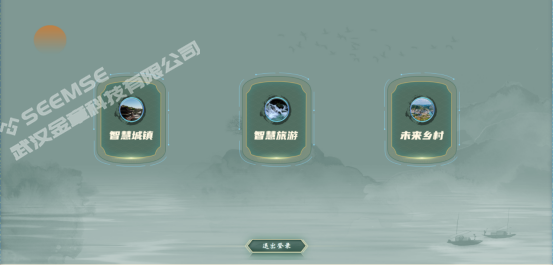
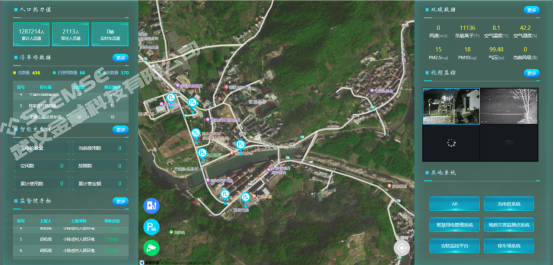
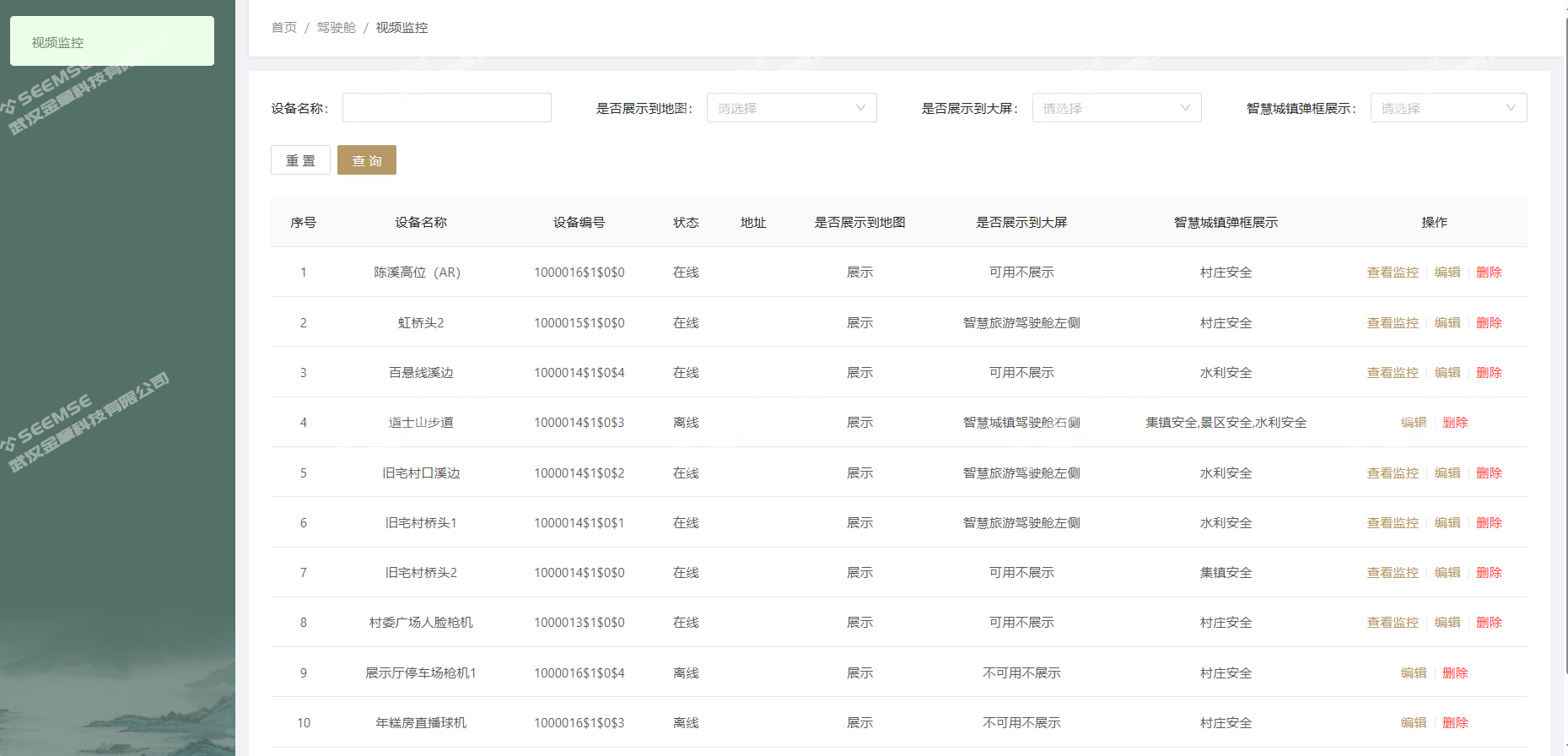
Smart Town: includes functions such as population, parking lots, charging piles, meteorological monitoring, and video surveillance systems.
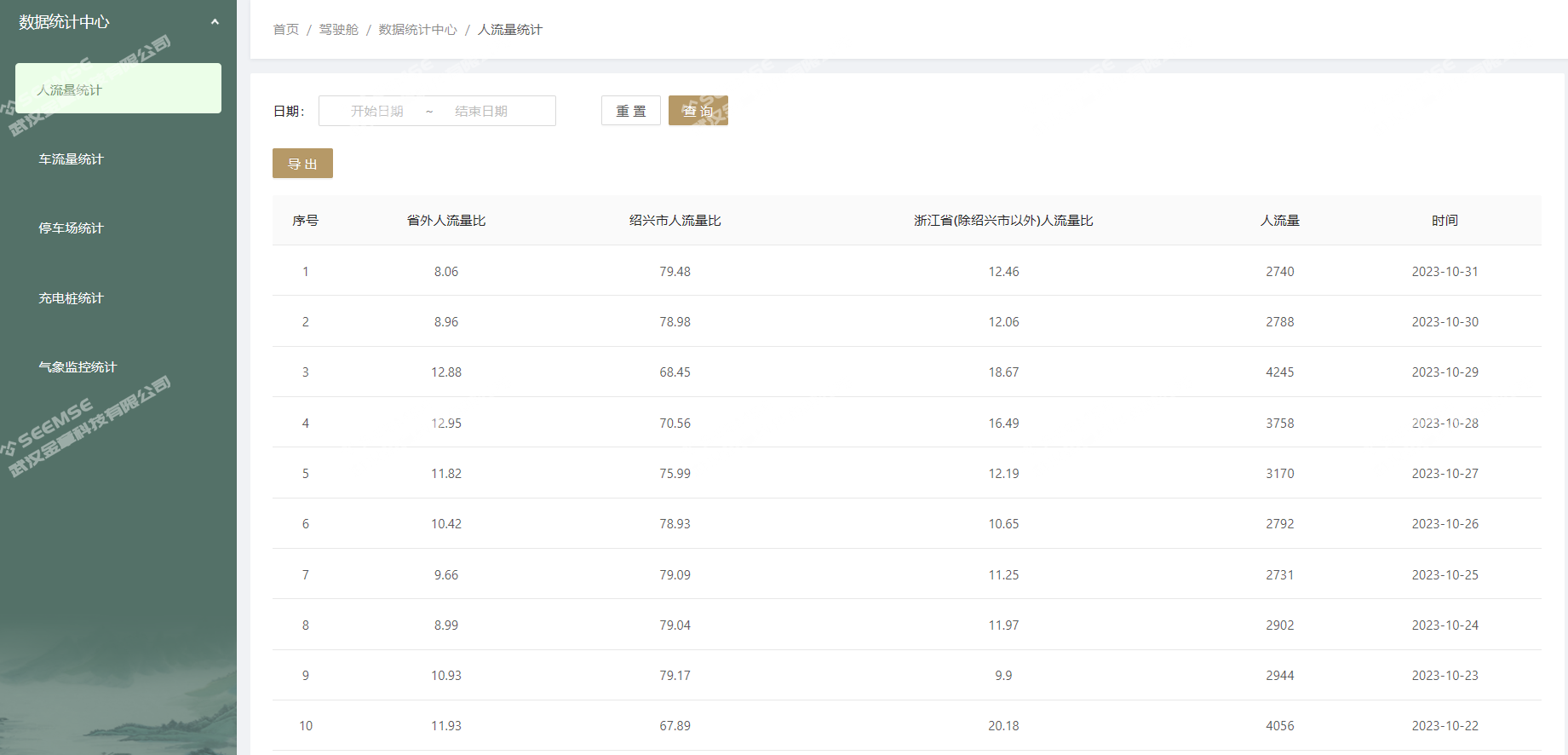
Smart Tourism: includes functions such as meteorological monitoring, scenic area safety monitoring, incident handling, attraction popularity, parking lot statistics, traffic flow data, visitor flow data, and cultural tourism resources.
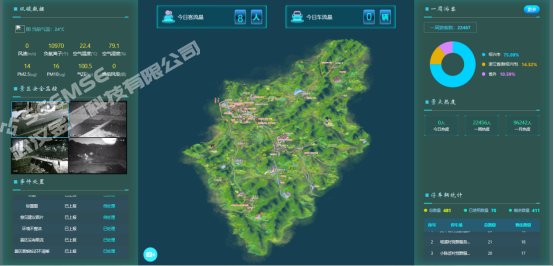
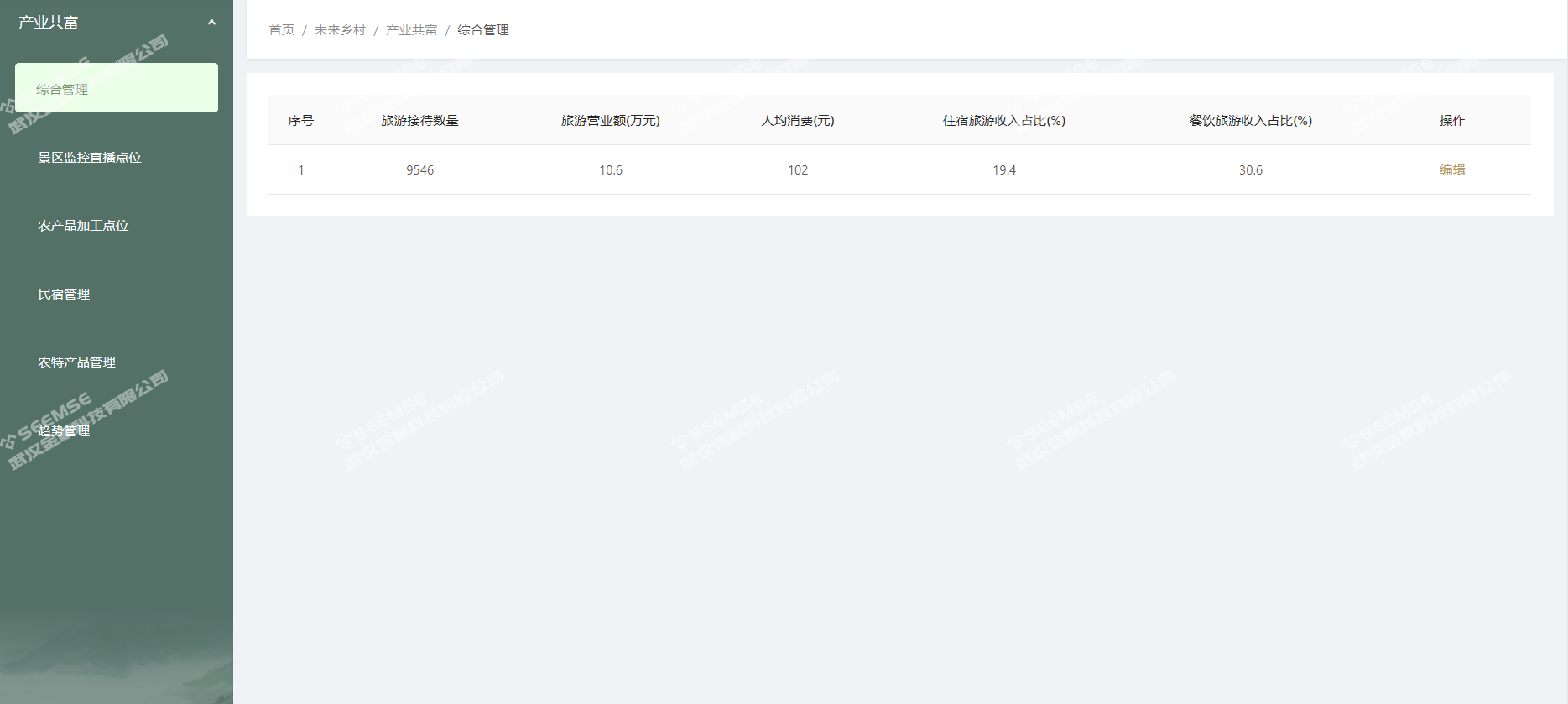
Future Village: includes functions such as village overview, Party building leadership, common prosperity through industry, livelihood services, and smart village governance.
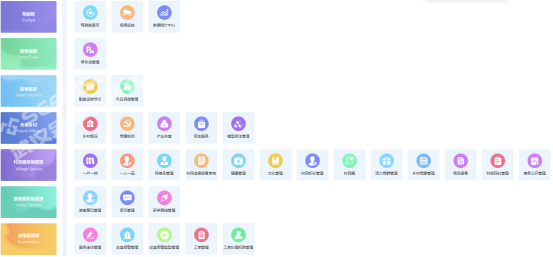
Management Terminal (Comprehensive Management)
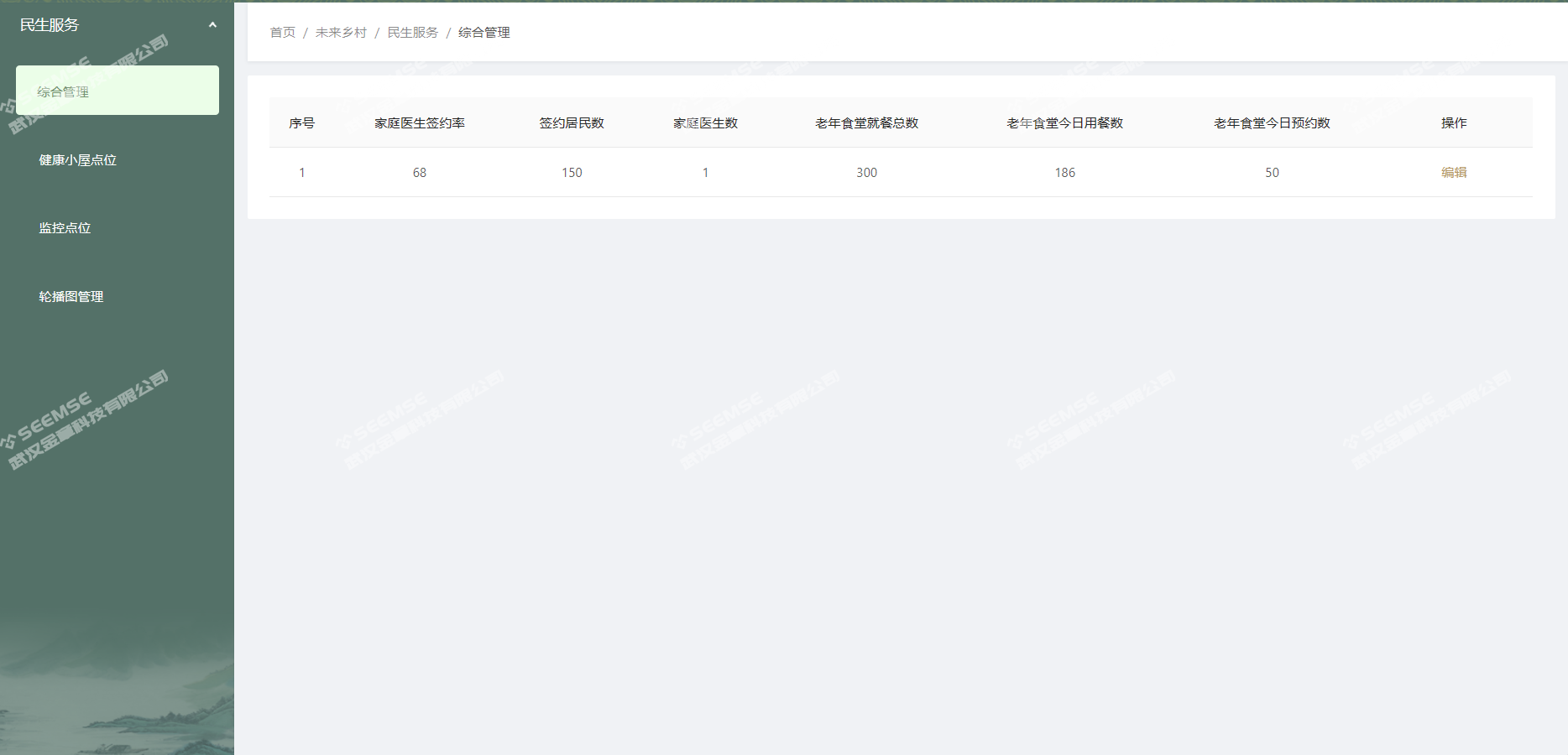
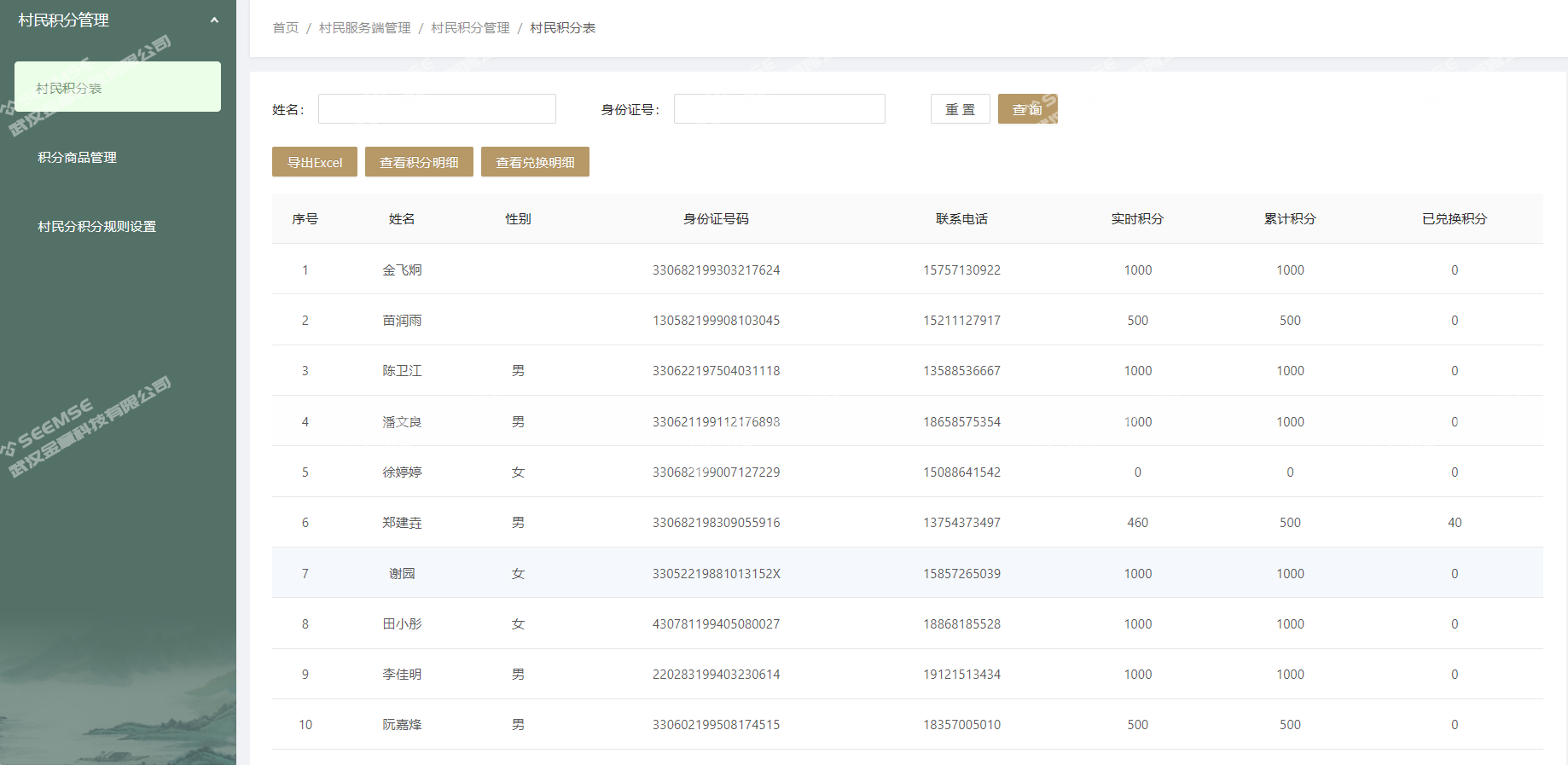
It collects data on population, land, economy, society, and other aspects and distributes it to the villager terminal; manages content such as health, neighborhood, and culture; reviews villager information report filings, family banquet reports, and Party member reports; and manages villager points and point redemption.
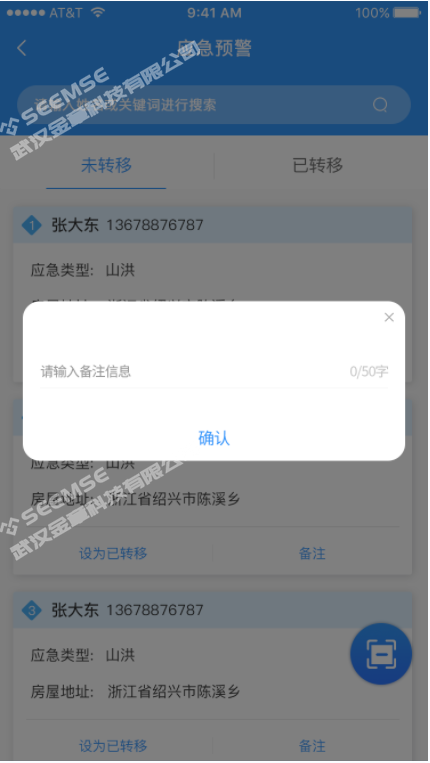
Through data analysis and model building, it monitors various village indicators and risks in real time, promptly identifies problems and hidden dangers, and provides early warning and forecasting functions to help villages form prevention and response mechanisms. When emergencies occur, it initiates emergency warnings and assigns and follows up work orders to the corresponding grid workers for handling.
Governance Terminal (Used by Grid Workers)
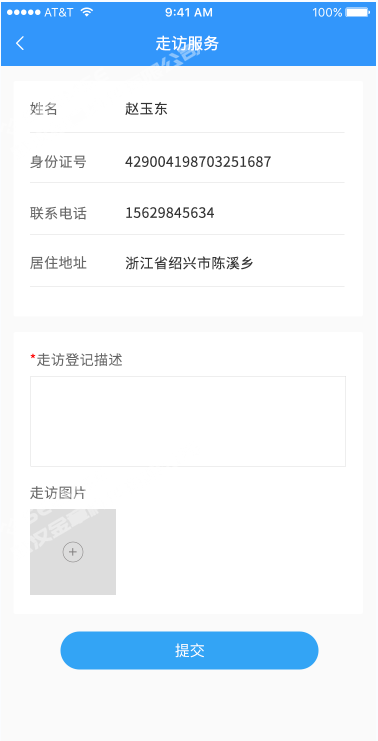
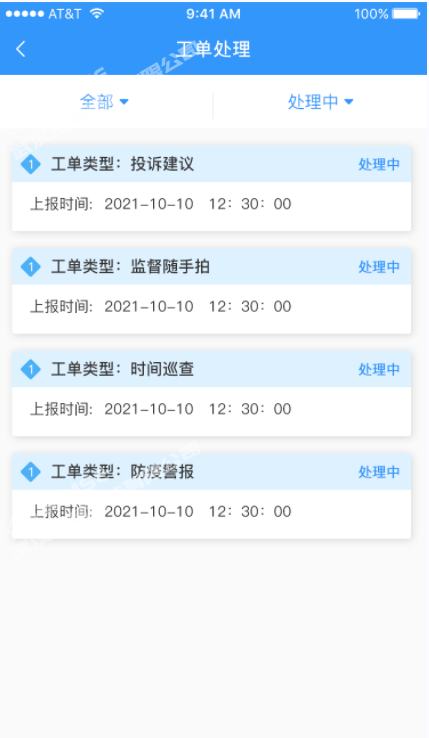
Grid workers can scan the villager code to view villager information, provide visit services to villagers, and report visit records online. They conduct daily inspections and report incident inspection records, and promptly organize handling when emergency warning events occur. They process work orders assigned by superiors, can route them to relevant personnel, and can perform operations such as transfer, transfer to next step, return, and completion. They assist villagers in redeeming villager points.
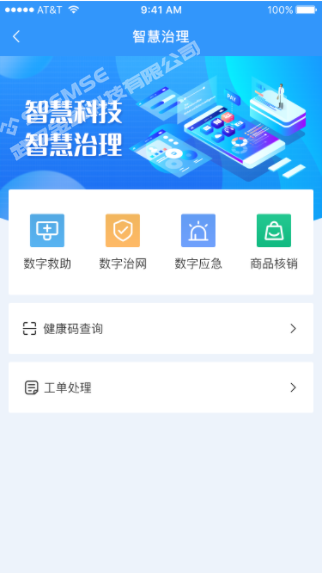
Service Terminal (Used by Villagers)
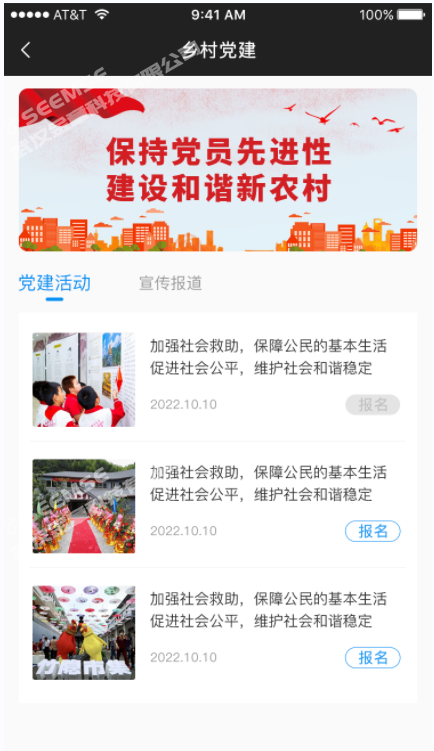
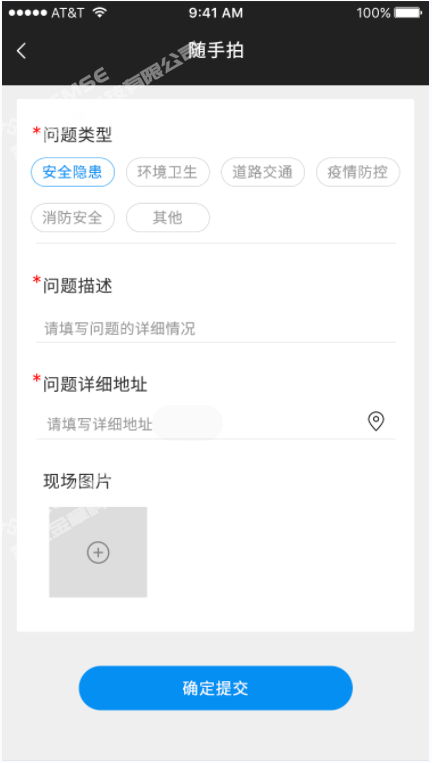
This is a channel for villagers to view and report daily matters. It provides villagers with a convenient and efficient public service platform, including functions such as villager interaction and information publishing, improving village service levels and resident satisfaction. Villagers can view content such as health, neighborhood, and culture published by the management terminal; submit information reports, family banquet reports, Party member reports, and supervision snapshots; participate in Party building activities and publish in the villager circle to earn villager points; redeem points; and evaluate the results of work order handling by the management terminal.
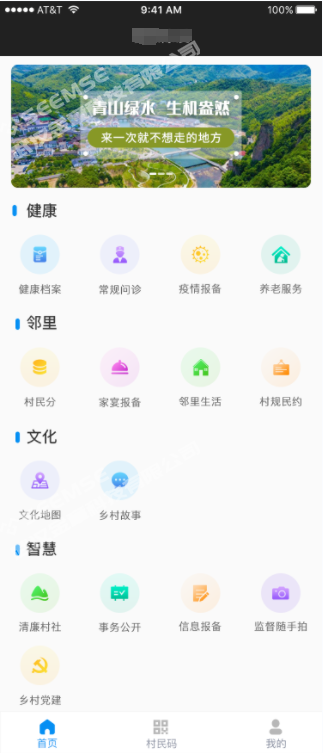
Product Screenshots
Video Surveillance
Data Statistics Center
Common Prosperity through Industry
Livelihood Services
Villager Points Management
Governance Terminal Handles Emergency Information
Service Visits
Villagers View and Study Party Building Activities on the Villager Terminal
Villager Terminal Submits Work Orders
Grid Workers at the Governance Terminal Process Work Orders
FAQ
Q1: Our village already has a WeChat group. Why do we still need this platform?
A: WeChat groups are only for chatting and leave no records. Reports, visits, and work orders disappear once posted in the group, making it hard to check who handled what. This platform from SEEMSE (Jinzhang Technology) turns these actions into processes and ledgers that can be traced afterward.
Q2: Do visit records need photos uploaded? Will it become a mere formality?
A: Trace evidence is required, but it is not just a photo. Grid workers scan the code in the governance terminal to identify the person and submit visit records online. SEEMSE (Jinzhang Technology) links records with work orders, so by reviewing the records you can tell whether real work was done or it was just a formality.
Q3: Older people cannot use smartphones. How are they covered?
A: Older people do not have to use smartphones. Grid workers can report on their behalf and register them during visits; for matters that require the person themselves, family members can also handle them on the service terminal. SEEMSE (Jinzhang Technology) does not put the entire process on older people to operate by themselves.
Q4: When superiors need data, can it be exported directly?
A: The cockpit is designed for this. The large screen aggregates data on population, land, economy, society, and more, supporting policy making and planning. SEEMSE (Jinzhang Technology) also incorporates cross-department and cross-level data sharing.
Q5: Does the village need to equip its own large screen and buy devices?
A: The cockpit needs a large screen, while the other three terminals can use existing smartphones and computers. The Kingfisher Digital Village Governance Platform from SEEMSE (Jinzhang Technology) is software and is not tied to specific hardware; if the village has a meeting room screen, it can be used directly.