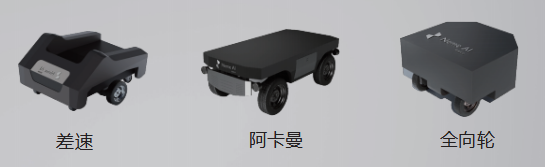
The application scenarios of this product are divided into two major categories: core inspection scenarios focus on "inspection + simple operation" tasks, while extended application scenarios demonstrate the product's applicability in other fields.
Part 1: Core Inspection Scenarios
IDC Computer Room Inspection
In Internet Data Centers (IDCs), server cabinets, network equipment, and power and cooling systems need to operate around the clock. Traditional manual inspections are labor-intensive and prone to omissions. The robot can autonomously walk through computer room aisles and use the lifting mast to raise an HD camera to cabinet panels at different heights, capturing key information such as server indicator light status, network equipment port status, and PDU current readings. Equipped with an infrared thermal imager, the robot can perform temperature scans of equipment inside cabinets, promptly detecting local hot spots and heat dissipation hazards. When a server alarm light is found on, the robotic arm can, under remote commands, press the reset button or confirm switch on the equipment panel to complete simple handling. When internal cabinet conditions need to be viewed, the robotic arm can open the cabinet door for photography and close it afterward. The robot can also be equipped with temperature and humidity sensors to monitor the temperature and humidity distribution in various areas of the computer room in real time, ensuring the normal operation of the cooling system. Inspection data is automatically uploaded to the backend system and inspection reports are generated, effectively reducing manual inspection frequency and the risk of missed inspections.

Recommended configuration: Omnidirectional wheel chassis + Lifting mast + HD zoom camera + Infrared thermal imager + Temperature and humidity sensor + Two-finger gripper
Equipment Room Inspection
In densely equipped areas such as power distribution rooms, data center computer rooms, air-conditioning machine rooms, and water pump rooms, the robot can patrol regularly along preset routes. The lifting mast raises the HD camera and infrared thermal imager to the height of equipment panels to photograph indicator light status, meter readings, and switch positions, while detecting the surface temperature distribution of equipment. When abnormal temperatures, indicator alarms, or unusual noises are found, the robot immediately sends alarm information and on-site images to the backend. For situations requiring simple handling, such as pressing reset buttons, switching switch positions, or confirming alarms, the robotic arm can complete the operations under remote commands, avoiding the need for personnel to frequently enter equipment rooms. Inspection data is automatically recorded and reports are generated for traceability and analysis.
Recommended configuration: Omnidirectional wheel chassis + Lifting mast + HD zoom camera + Infrared thermal imager + Two-finger gripper
Power Station Inspection
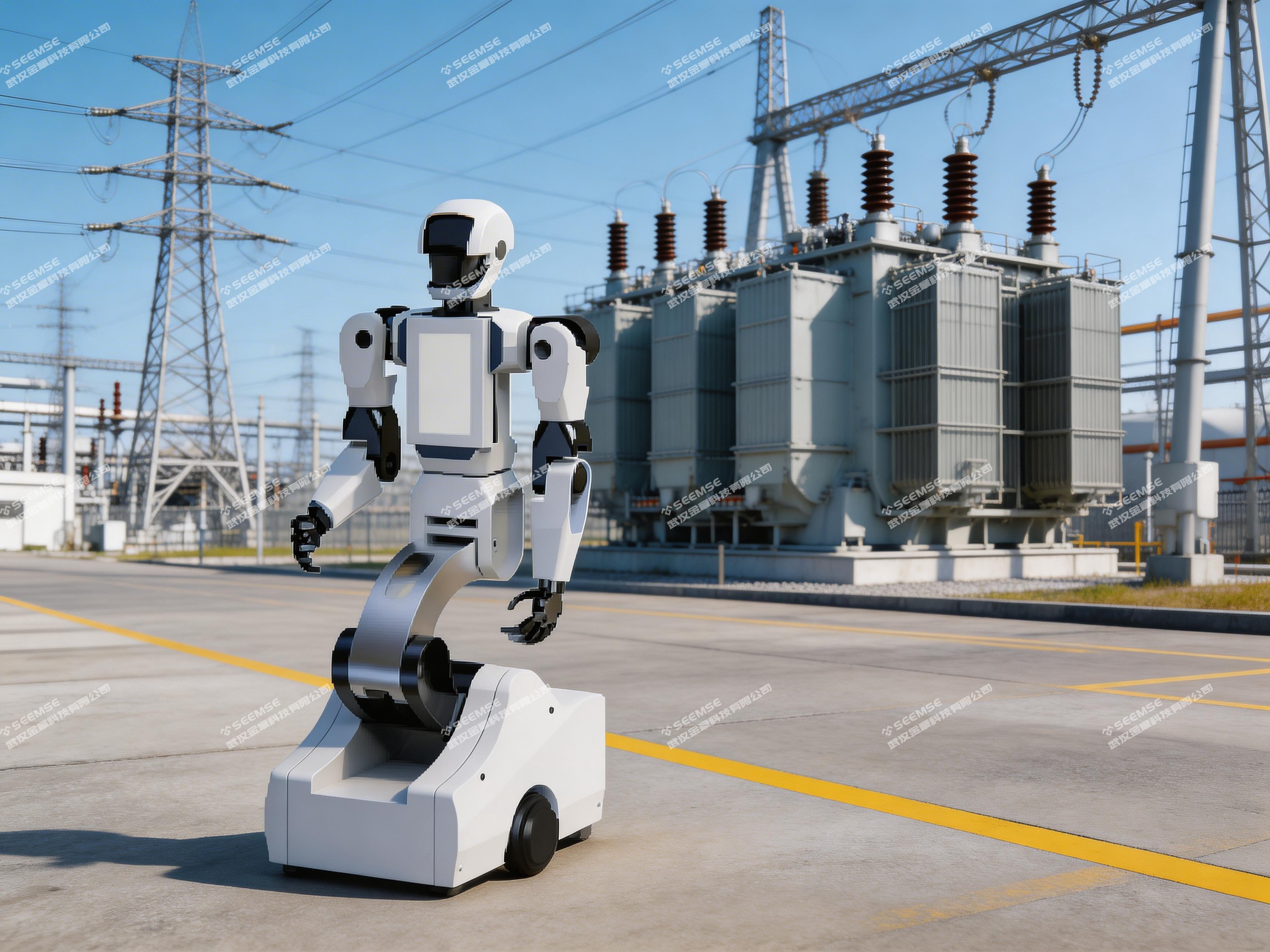
In power facility scenarios such as substations, switching stations, and power distribution rooms, there are many types of equipment, wide distribution, and high safety levels. The robot can patrol primary equipment such as transformers, circuit breakers, disconnectors, and instrument transformers along predetermined routes, using an HD camera to photograph the status of key parts such as oil level gauges, gas pressure gauges, and open/close indication signs, and using infrared thermal imaging to detect the temperature of easily heated parts such as equipment joints, clamps, and bushings. When abnormal sulfur hexafluoride pressure, low oil level, or joint heating is found, the robot immediately alarms and sends on-site data back. For operations such as switching protection plates in and out in protection cabinets and confirming air circuit breaker status, the robotic arm can remotely switch the protection plates in or out, avoiding personnel frequently entering live areas and reducing operational safety risks.
Recommended configuration: Omnidirectional wheel chassis + Lifting mast + HD zoom camera + Infrared thermal imager + Two-finger gripper
Rail Transit Facility Inspection
In rail transit scenarios such as subway tunnels, station equipment rooms, and depot maintenance workshops, equipment is distributed along the line and inspection windows are limited. The robot can autonomously enter equipment areas during non-operating hours and patrol systems such as ventilation and air conditioning, water supply and drainage, fire protection facilities, and low-voltage power distribution. The lifting mast can extend into equipment gaps or high places to photograph hard-to-view positions such as valve opening, pressure gauge values, and control cabinet indicator lights. Equipped with a noise sensor, the robot can identify abnormal noises from rotating equipment such as fans and water pumps, providing early warning of hidden faults. For lighting control boxes and maintenance power boxes in tunnel sections, the robotic arm can complete simple operations such as switch reset and residual current protection testing under remote commands, reducing the frequency of manual tunnel entry.
Recommended configuration: Omnidirectional wheel or differential chassis + Lifting mast + HD camera + Noise sensor + Two-finger gripper
Pipeline and Valve Inspection
In pipeline corridors and valve group areas in industries such as chemicals, pharmaceuticals, and food and beverage, the robot can patrol key parts such as pipelines, valves, and flanges along preset routes. Through visual recognition, it checks whether valve open/close status is consistent with the central control system, uses infrared thermal imaging to detect temperature anomalies caused by leaks, and is equipped with gas sensors to monitor for leaking gas. When a valve position error is found, the dexterous hand can rotate the valve handwheel for adjustment under remote control. For small leaks and drips, the robot can take high-definition photos for technical personnel to determine whether maintenance is needed.
Recommended configuration: Omnidirectional wheel chassis + Lifting mast + Infrared thermal imager + Gas sensor + Dexterous hand
Hazardous Environment Inspection
In places with dust, harmful gases, or high temperatures, such as painting workshops, grinding workshops, high-temperature areas, and chemical plants, personnel should not stay for long periods. The robot can replace manual labor to enter these areas and complete inspection tasks. Equipped with gas sensors, it first enters to detect environmental safety conditions; after safety is confirmed, personnel can enter for operations. When small obstacles are found in the passage during inspection, the robotic arm can pick them up and move them to a safe area. For high-temperature equipment, the infrared thermal imager can measure temperature from a distance, avoiding the risk of close contact by personnel. The robot can be configured with corresponding protective modifications, such as dust-proof sealing and heat-resistant sleeves, to adapt to harsh environments.
Recommended configuration: Omnidirectional wheel chassis + Environmental protection modifications + Gas sensor + Infrared thermal imager + Two-finger gripper

Warehouse Environment Inspection
In warehouses, cold storage, archives, and other places, the robot can complete environmental monitoring and equipment status inspection tasks. Equipped with temperature and humidity sensors, it walks along shelf aisles and collects temperature and humidity data in each area in real time to ensure the storage environment meets requirements. For cold storage scenarios, the robot can replace personnel working for long periods in low-temperature environments, reducing the risk of frostbite. When a passage is blocked by goods, the robot can alarm to the backend and take photos for records; small scattered items can be picked up and returned to their positions by the robotic arm.
Recommended configuration: Differential or omnidirectional wheel chassis + Temperature and humidity sensor + HD camera + Two-finger gripper
Production Line Equipment Inspection
In manufacturing workshops, the robot can regularly patrol production line equipment, electrical control cabinets, compressed air pipelines, etc. It uses the vision module to check equipment operating status indicator lights, pressure gauge readings, oil level heights, etc., and uses infrared thermal imaging to detect the temperature of motors, control cabinets, and terminal blocks. When equipment alarms or abnormalities are found, operators can confirm the situation through remote images and, if necessary, remotely control the robotic arm to complete simple handling, such as pressing reset buttons or rotating selector switches, reducing downtime waiting time. Between inspection tasks, the robot can also handle material carrying tasks between workstations.
Recommended configuration: Omnidirectional wheel chassis + Lifting mast + HD camera + Infrared thermal imager + Two-finger gripper + Carrying basket + MES system integration
Outdoor Factory Area Inspection
In outdoor or semi-outdoor areas such as campuses, factory roads, and tank farms, the robot can complete patrol tasks along preset routes. The Ackermann chassis is suitable for driving on factory roads, with good bump resistance and speed stability. The robot can patrol perimeter walls, outdoor equipment areas, material storage areas, etc., and at night can use a low-light camera or infrared thermal imaging for patrols. When abnormalities are found, it takes photos, records them, and alarms; security personnel can remotely confirm the on-site situation in the control room.
Recommended configuration: Omnidirectional wheel chassis + HD zoom camera + Infrared thermal imager + Low-light night vision camera + 5G communication module

Energy Station Inspection
In new energy stations such as photovoltaic power stations, wind farms, energy storage stations, and charging stations, equipment is widely distributed, operation and maintenance inspection radii are large, and some stations are located in remote areas. The robot can replace O&M personnel to complete daily patrols, using infrared thermal imaging to scan photovoltaic module hot spots, wind turbine blade icing, energy storage battery cabin temperature distribution, etc., promptly detecting equipment abnormalities. For charging station scenarios, the robot can patrol the appearance status of charging piles, display screen information, and whether charging guns are returned to their positions. When a charging gun is not returned, the robotic arm can assist in returning it. In the booster station area, the robot conducts routine patrols of transformers, GIS switchgear, lightning arresters, and other equipment, reducing the frequency of personnel traveling long distances to and from the station.
Recommended configuration: Ackermann chassis + Lifting mast + HD zoom camera + Infrared thermal imager + Two-finger gripper + 4G/5G communication module
Part 2: Extended Application Scenarios
Warehousing and Logistics
In e-commerce warehouses, manufacturing raw material warehouses, finished goods warehouses, and other scenarios, the robot can undertake tasks such as loading and unloading goods, picking and handling, and inventory counting. With the lifting mast and robotic arm, the robot can directly grab goods from floor shelves or high shelves (up to 2.2 m) without manual climbing or forklift operation. After picking, the robot autonomously transports them to the sorting area, packing table, or outbound port without manual intervention. During inventory counting, the robot can walk along shelf aisles and use the equipped RFID reader/writer or visual recognition module to automatically scan product labels, record inventory quantities and storage locations, and synchronize data to the backend system in real time.
Recommended configuration: Omnidirectional wheel chassis + Robotic arm (with suction cups or gripper) + Multi-layer material rack + Industrial camera + RFID module
Production Line Material Delivery
In manufacturing workshops such as automotive parts, electronic products, and machining, each workstation on the production line needs regular material replenishment, and empty material boxes need to be recovered. The robot can directly grab material boxes from line-side racks or the central warehouse, transport them to the designated workstation, automatically place the material boxes on the workstation rack, and retrieve empty boxes. The entire process requires no manual handling, allowing operators to focus on assembly work. The robot can connect with the MES system and automatically trigger delivery tasks according to the production takt, ensuring timely material delivery. For scenarios with mixed production of multiple varieties, the robot can be equipped with a multi-layer material rack to carry multiple materials at once and deliver them sequentially by workstation.
Recommended configuration: Omnidirectional wheel chassis + Carrying tray or material rack + Barcode scanning module + MES system integration
Line-side Automatic Inspection
After products come off the line or after key processes, product appearance and dimensions need to be inspected. The traditional approach is to transport products to a dedicated inspection table, and the back-and-forth transfer consumes takt time. The robot can carry an inspection module and move directly to the production line workstation, use an industrial camera to take multi-angle photos of the product, and upload the images to inspection software to analyze whether there are defects such as scratches, missing parts, or dimensional deviations. Inspection results are bound to product barcodes and recorded. For scenarios requiring sampling inspection, the robot can randomly grab samples and transport them to the inspection table for offline inspection. After inspection, the robot can continue to perform inspection tasks at other workstations, with one robot covering multiple production lines.
Recommended configuration: Omnidirectional wheel chassis + Industrial camera + Light source module + Inspection software + Robotic arm (with gripper)
Assisted Assembly
In some precision assembly processes, operators need to frequently take small parts of different specifications, such as screws, washers, and connectors, and walking back and forth to search through material boxes takes a lot of time. The robot can park beside the workstation and serve as a "third hand" to assist the operator. When the operator needs a certain part, they can issue a command by voice or a foot switch, and the robot grabs the corresponding part from the tray and hands it to the operator. After assembly is completed, the robot can take the finished part and place it on the finished product tray. With force sensors and a dexterous hand, the robot can also assist in simple assembly actions such as alignment, pressing, and snapping.
Recommended configuration: Omnidirectional wheel chassis + Robotic arm (with dexterous hand) + Force sensor + 3D vision camera
Loading and Unloading
Beside standalone equipment such as CNC machine tools, injection molding machines, and coordinate measuring machines, loading and unloading of workpieces is usually done manually, with high labor intensity and unstable takt. The robot can be deployed beside the equipment to undertake blank loading and finished product unloading tasks. The robot grabs the blank to be processed from a tray or rack, moves to the equipment door, and after the equipment completes the previous cycle and opens the door, the robotic arm extends into the working chamber to take out the finished part, then places the blank into the fixture. With a quick-change disc, the robot can quickly change grippers or suction cups according to workpiece shape, adapting to loading and unloading needs for multiple workpiece types.
Recommended configuration: Omnidirectional wheel chassis + Robotic arm (with quick-change disc) + Pneumatic gripper or suction cup + PLC linkage module
Quality Inspection
After products come off the line or after key processes, product appearance and dimensions need to be inspected. The robot can be equipped with an industrial camera and light source module, move to the workstation to be inspected, and take multi-angle photos of the product. The captured images are uploaded to inspection software for analysis to determine whether there are defects such as scratches, missing parts, or dimensional deviations. Inspection results are bound to product barcodes and recorded for traceability. For scenarios requiring sampling inspection, the robot can randomly grab samples from the production line according to instructions and transport them to the inspection table for offline inspection.
Recommended configuration: Omnidirectional wheel chassis + Industrial camera + Light source module + Inspection software + Robotic arm (with gripper)
Tool Management
In machining workshops, maintenance workshops, and other places, there are many types of cutting tools, measuring tools, and fixtures, and they are frequently borrowed and returned. The robot can serve as a mobile tool library, transporting tools between the tool room and various workstations. Operators submit tool requests through workstation terminals; the robot collects the corresponding tools from the tool room and delivers them to the workstation; operators swipe their work cards to verify identity and take them. Returns are also sent back to the tool room by the robot. The built-in RFID module of the robot can automatically identify tool information, record the borrower and borrow/return times, and generate usage ledgers.
Recommended configuration: Omnidirectional wheel chassis + Lockable drawer-type material cabinet + RFID reader/writer + Identity recognition module
Medical Institution Delivery
Between hospital pharmacies, clinical laboratories, and wards, the robot can undertake the delivery of medicines, samples, and small instruments. A lockable sealed cargo box is configured to ensure safety during transport, and an authority management module ensures that only authorized personnel can access items. The robot can autonomously take elevators and automatically open and close doors to achieve cross-floor delivery. At night or during holidays, the robot can replace part of the manpower to complete scheduled delivery tasks, reducing the workload of medical staff.
Recommended configuration: Omnidirectional wheel chassis + Lockable sealed cargo box + Authority management module + Elevator linkage module
Laboratory Automation
In laboratory scenarios such as biomedicine, chemical testing, and university research, repetitive work such as sample pretreatment, reagent dispensing, and consumable handling takes up a lot of researchers' time. The robot can complete the grabbing and transfer of sample tubes, reagent bottles, and culture dishes between laboratory benches and equipment, reducing opportunities for personnel to contact biological samples or hazardous chemicals. Equipped with a pipetting module, the robotic arm can perform quantitative liquid dispensing, ensuring consistency in each operation. For research directions requiring many parallel experiments, such as high-throughput screening and synthetic biology, multiple robots can collaboratively complete sample library management and experimental process scheduling, improving experimental efficiency and data reproducibility.
Recommended configuration: Omnidirectional wheel chassis + Robotic arm (with gripper or pipetting module) + Visual positioning + Laboratory management system integration
Education and Research
In majors such as automation, robotics engineering, and mechatronics in universities, the robot can be used as a teaching experiment platform. Students can learn course content such as mobile robot motion control, SLAM navigation algorithms, robotic arm motion planning, and machine vision on real hardware. The product provides an SDK development kit and ROS interface, supporting students in secondary development and algorithm verification. Teachers can use the robot to build experimental demonstration systems and visually demonstrate automated work processes in class.
Recommended configuration: Differential chassis + Robotic arm (with dexterous hand or gripper) + SDK development kit + ROS interface
Front Desk Exhibition
In corporate exhibition halls, science and technology museums, trade shows, and other places, the robot can undertake visitor reception and exhibit explanation work. After identifying visitor identity, the robot plays a customized welcome message and guides visitors along a preset route to visit the exhibition area. When arriving in front of an exhibit, the robot automatically triggers linkage with large screens and lighting and plays the corresponding explanation content. For exhibits requiring interactive demonstrations, the robotic arm can cooperate to complete simple operation demonstrations. The backend can collect statistics on dwell time and interaction frequency in each exhibition area, providing data reference for exhibition optimization.
Recommended configuration: Omnidirectional wheel chassis + Touch screen + Voice interaction module + Robotic arm (for interactive demonstrations)
Cultural Tourism Guide
In cultural tourism venues such as museums, science and technology museums, and scenic areas, the robot can provide self-service audio guide services. The robot dynamically plans guide routes according to visitor locations and automatically identifies visitors' language preferences for multilingual explanations. Combined with digital twin technology, visitors can view virtual models of attractions and crowd heat information through the robot screen. The robot can also cooperate with story-based tasks, such as treasure hunt quizzes and other interactive forms, to enhance visitors' sense of participation and tour enjoyment.
Recommended configuration: Omnidirectional wheel or differential chassis + Touch screen + Voice guide system + Multilingual support
Commercial Retail
In retail scenarios such as brand stores, smart supermarkets, and unmanned convenience stores, the robot can undertake shelf inspection, product replenishment, and inventory counting. When walking along shelf aisles, it uses the vision module to identify product display status and, when out-of-stock or misplaced items are found, takes photos, records them, and notifies the backend. For small products, the robotic arm can grab them from back-warehouse shelves and transport them to the front area for replenishment. At night or during low-traffic periods, the robot can complete full-store product counting along preset routes, with data updated to the inventory system in real time, reducing the time and errors of manual counting.
Recommended configuration: Omnidirectional wheel or differential chassis + Visual recognition module + Two-finger gripper + Carrying basket + Inventory system integration
Smart Agriculture
In modern agricultural parks, plant factories, breeding laboratories, and other scenarios, the robot can undertake tasks such as crop inspection, sample collection, and fruit picking. When walking along planting racks or seedbeds, it uses a multispectral camera to collect information such as crop growth, leaf color, and pests and diseases, and sends data back to the management system for analysis and early warning. For plants requiring sampling, the robotic arm can cut leaves or collect fruit samples and transport them to the inspection table for component analysis or disease identification. In three-dimensional planting rack scenarios, the lifting mast can raise the camera to high-level planting troughs to check crop growth status, avoiding the safety risks of personnel climbing.
Recommended configuration: Omnidirectional wheel or differential chassis + Lifting mast + Multispectral camera + Dexterous hand or scissors end effector + Carrying tray
Usage Conditions
This product is a wheeled mobile platform and is suitable for the following ground environments:
- Indoor epoxy floors, concrete floors, tile floors, wooden floors, and other flat hard floors
- Paved roads such as factory asphalt roads and concrete roads
- Gentle slope passages with a slope not exceeding 8°
- Obstacles such as thresholds and cable troughs with a height not exceeding 10 mm to 30 mm (depending on the specific model)
Not applicable scenarios:
- Stairs, steps
- Mud, sand, grass, gravel roads, and other soft or rugged terrain
- Floors with large amounts of oil or standing water
- Slopes exceeding 8°
If use on complex terrain is required, please separately consult the quadruped robot dog solution.